Author: admin-hzwhXTzT_CE

  • Shot Sizes – Subdivision by how many subjects are in the frame

    Shot Sizes – Subdivision by how many subjects are in the frame

    In film and video production, a field size or shot size refers to how much of the subject is visible within the frame of the camera. It is a way of describing the relative distance between the camera and the subject being filmed, and it is an essential component of visual storytelling in film.

    We have explored the most basic shot sizes in cinematography in THIS POST. Apart from the field size, you can also differentiate them in regard to how many subjects are in the frame. Here are the most basic examples:

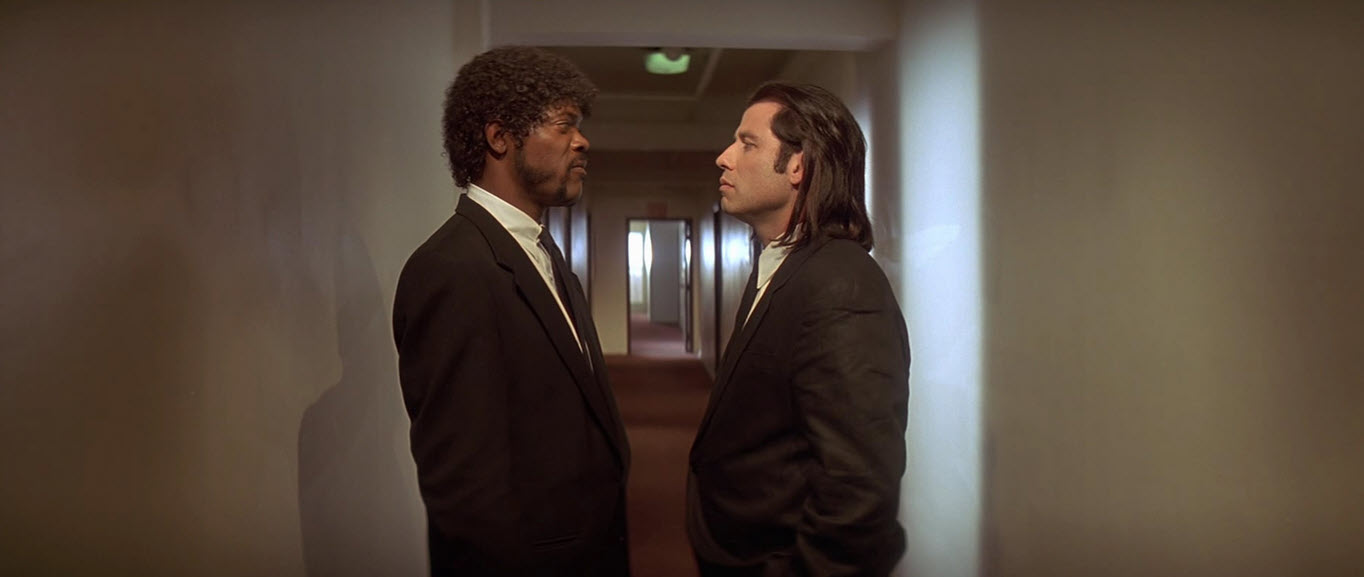
    Two Shot

    This shot shows two subjects in the frame together, often to convey their relationship or dynamic.

    An example of this shot can be seen in “Pulp Fiction” (1994), which shows the characters Vincent Vega (John Travolta) and Jules Winnfield (Samuel L. Jackson) in a two-shot as they discuss the meaning of a foot massage.

    Over-the-Shoulder Shot (OTS)

    This shot shows one subject from behind the shoulder of another subject, often used in dialogue scenes. OTS shots are commonly used to connect characters within the space of the scene, providing a sense of spatial continuity and helping to establish the relationships between characters. By showing both characters in the same shot, OTS shots allow the audience to see the reactions of each character as they speak or interact with one another. This can be especially effective in dialogue-heavy scenes, where the reactions of each character are an important part of the scene’s emotional impact.

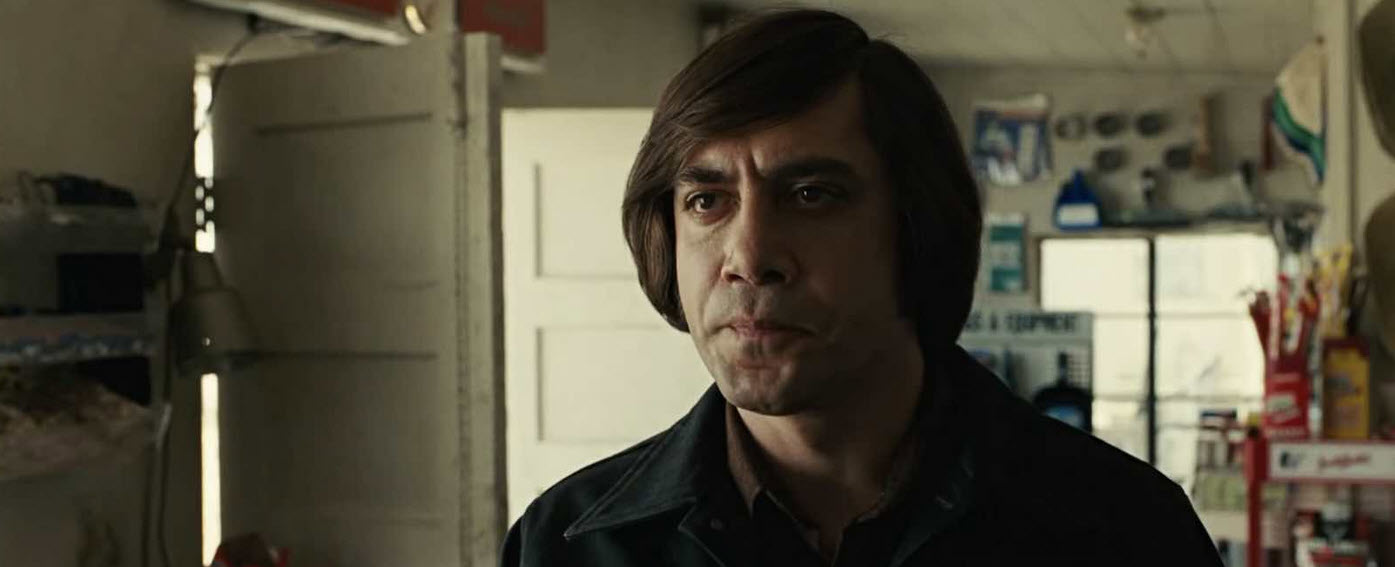
    A great example of this is a scene from “No Country for Old Men” where Anton Chigurh is threatening a clerk.
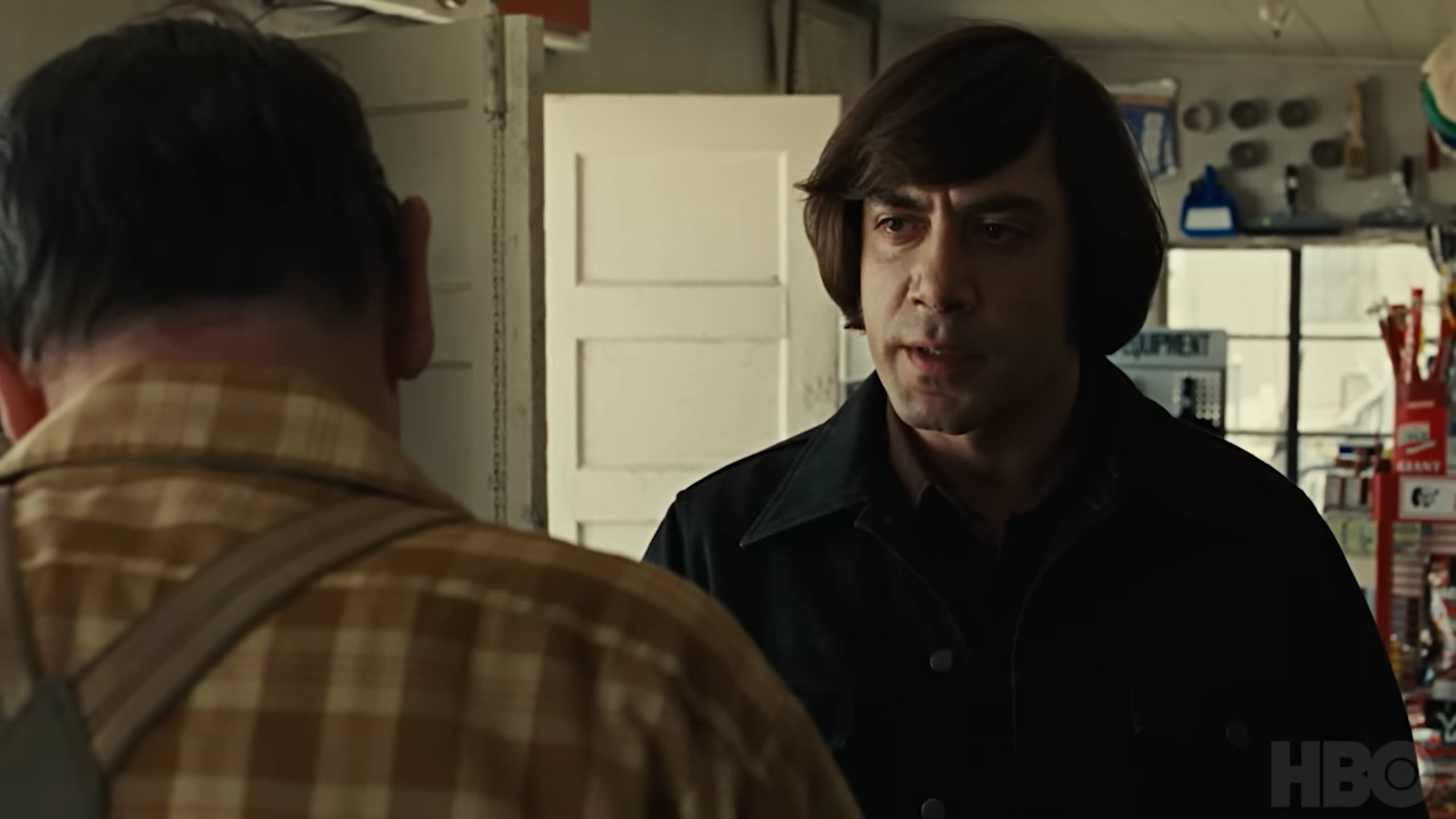
    The OTS shots are a tool to bind these two characters together in the space and make the tension more visible.

    Point-of-View Shot (POV)

    This shot shows what the character is seeing from their own perspective, often used to put the viewer in the character’s shoes.

    In “The Graduate” (1967), there is a famous POV shot where the audience sees the world through the scuba diving mask of Dustin Hoffman’s character, Benjamin.
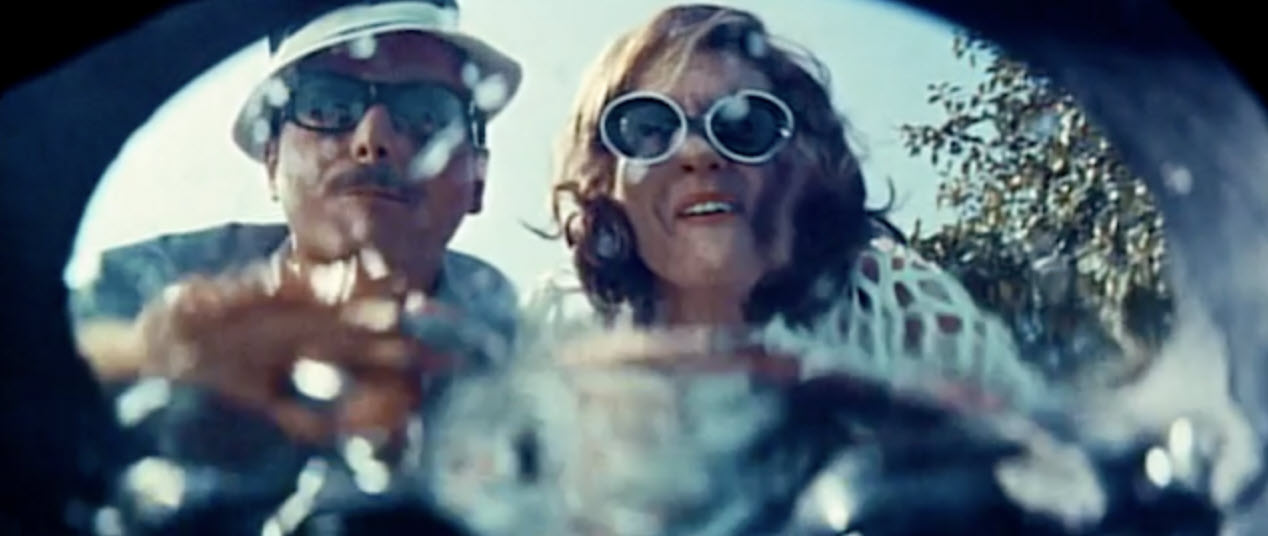
    In this shot, we see a distorted view of the world as if we’re underwater, with objects appearing larger and closer than they actually are. This POV shot serves to highlight Benjamin’s feelings of confusion and uncertainty as he tries to navigate the complexities of adult life. It also creates a sense of detachment and alienation from the world, which is a recurring theme throughout the film. Overall, this POV shot is a powerful visual representation of Benjamin’s inner turmoil and sense of disconnect from the world around him.

    Interested in mastering shot sizes and taking your cinematography skills to the next level? Watch my concise course, ‘Fundamentals of Cinematography: Every Shot Size Explained,’ where I’ll explain the most important shot sizes and their functions. Whether you’re a beginner or an experienced filmmaker, this course is designed to help you choose the right shot size to make your actors’ performances really shine. We’ll go through every major shot size and provide examples from my own films and other well-known movies to illustrate their use and professional vocabulary.

  • Shot Sizes in Cinematography

    Shot Sizes in Cinematography

    Shot size in cinematography refers to the framing and composition of a shot in relation to the subject being filmed. It can be defined as the distance between the camera and the subject, or the amount of the subject that is visible within the frame. The shot size is determined by the placement of the camera and the lens used, and it can greatly impact the visual storytelling of a film.

    Shot sizes are an essential aspect of visual storytelling, as they can convey a range of emotions, perspectives, and information to the audience. Different shot sizes are used to communicate different aspects of a scene or character, and they can create a sense of intimacy or distance, depending on the desired effect. Shot sizes are also an important tool for filmmakers to guide the viewer’s attention and emphasize certain elements of the scene. By utilizing different shot sizes effectively, filmmakers can create a visually engaging and emotionally resonant cinematic experience for their audiences.

    Here is a list of the most important shot types with examples:

    Extreme Long Shot (ELS): This shot shows the subject from a great distance, and is often used to establish a location or give the viewer a sense of scale. An example of this shot can be seen in the opening shot of the movie “Lawrence of Arabia” (1962).

    Lawrence of Arabia

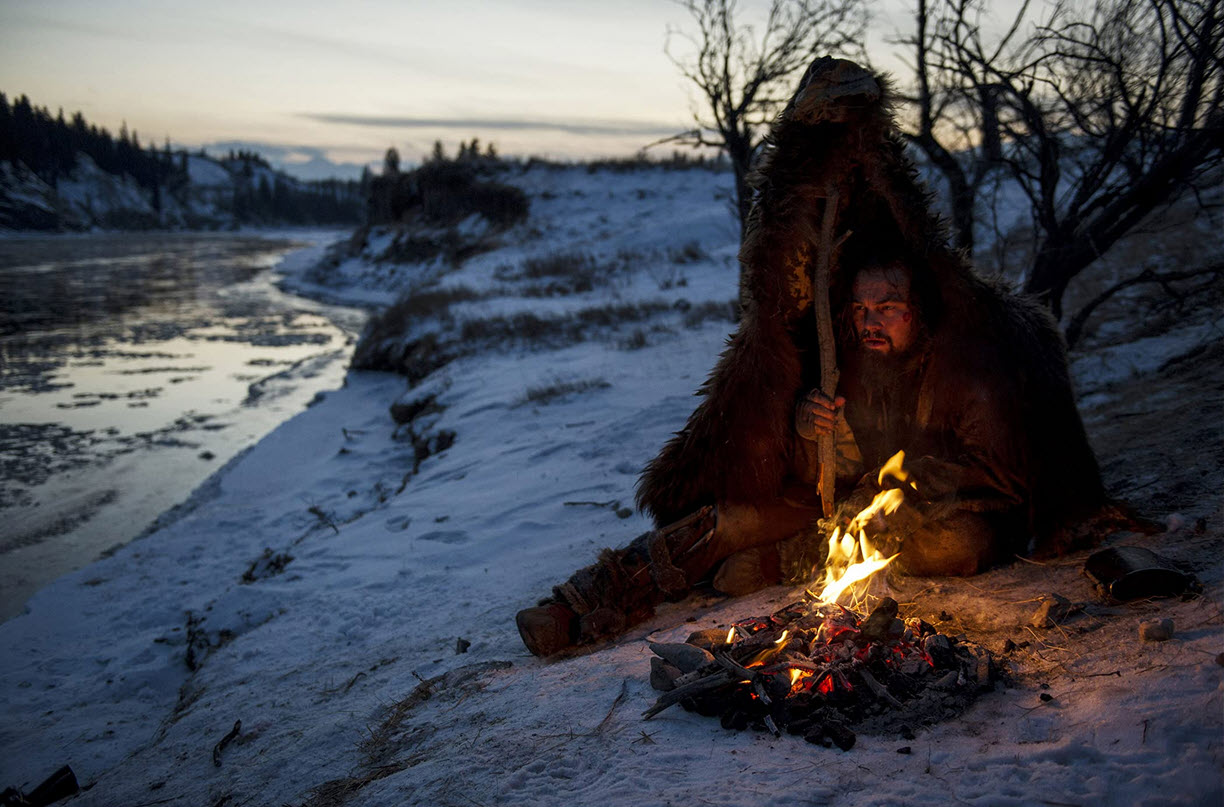
    Long Shot (LS): This shot shows the full body of the subject, along with some of the surrounding environment. It is often used to establish a character or setting.

    Revenant

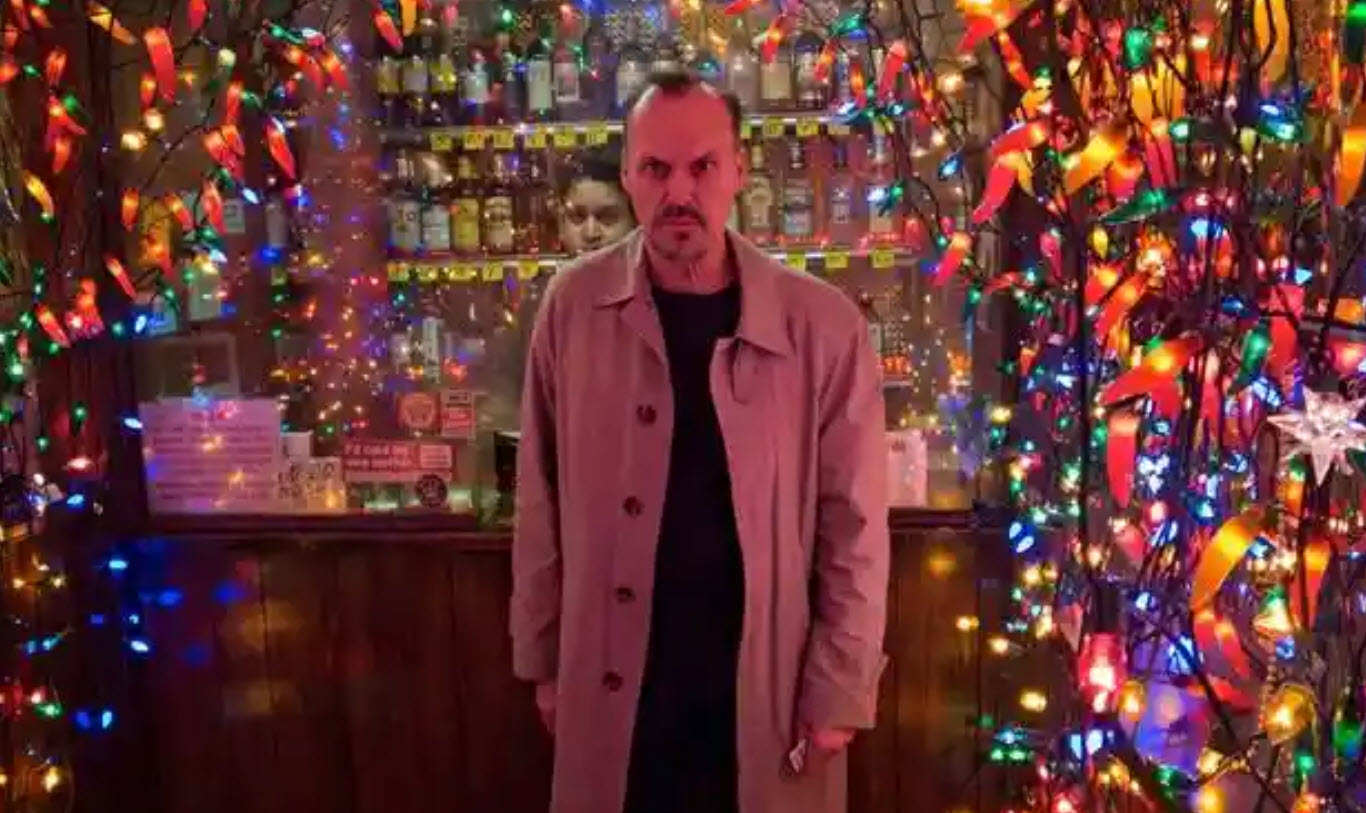
    Medium Long Shot (MLS): This shot shows the subject from the knees up, and is often used to establish the physical relationship between characters or objects.

    Birdman

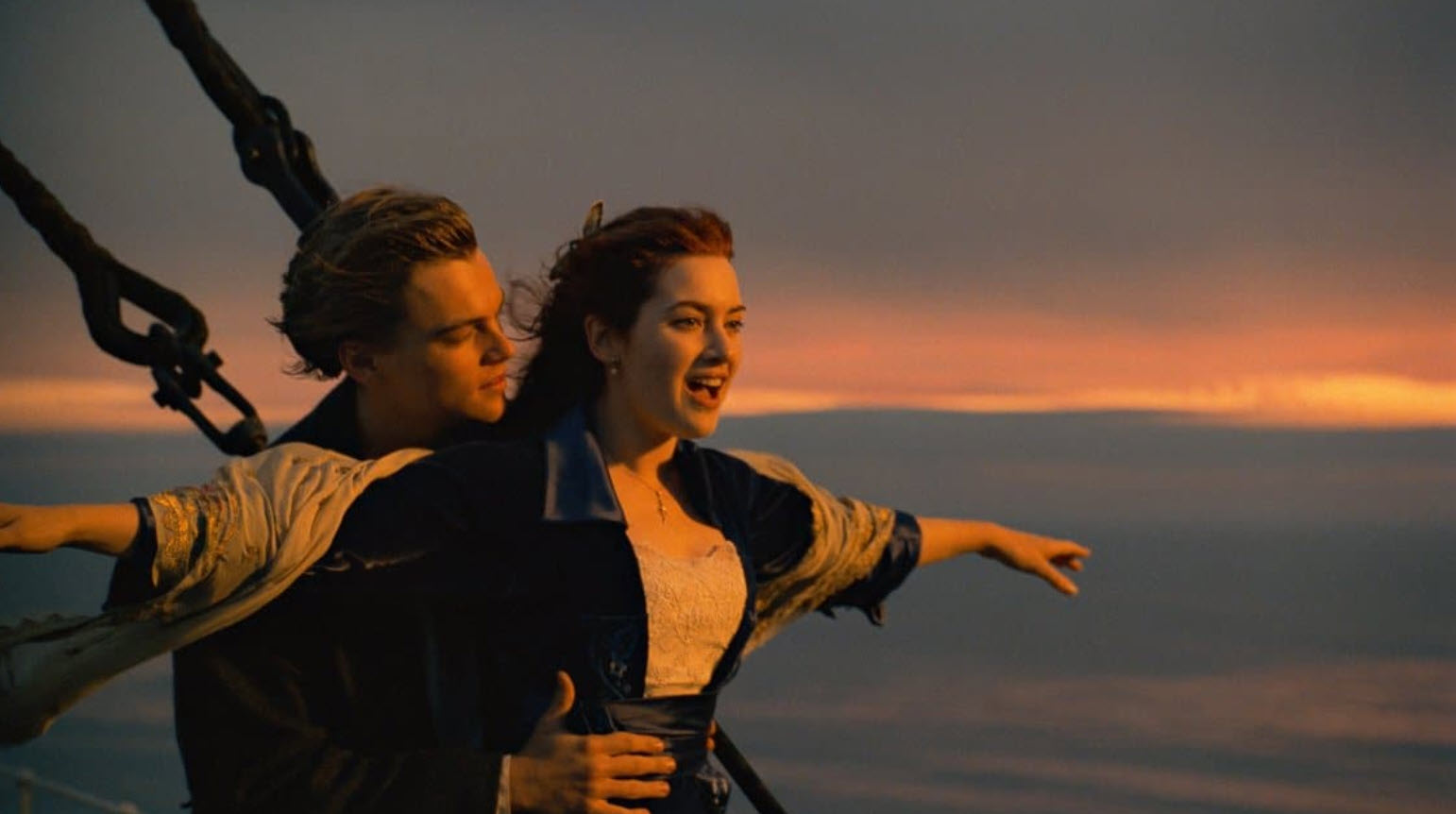
    Medium Shot (MS): This shot shows the subject from the waist up, and is often used for dialogue scenes or to show the subject’s body language.

    Titanic

    Medium Close Up (MCU): This shot shows the subject from the chest up, and is often used to convey emotions or reactions.

    No Country for Old Men

    Close-Up (CU): This shot shows the subject’s face in detail, and is often used to emphasize emotions or important dialogue.

    Shining

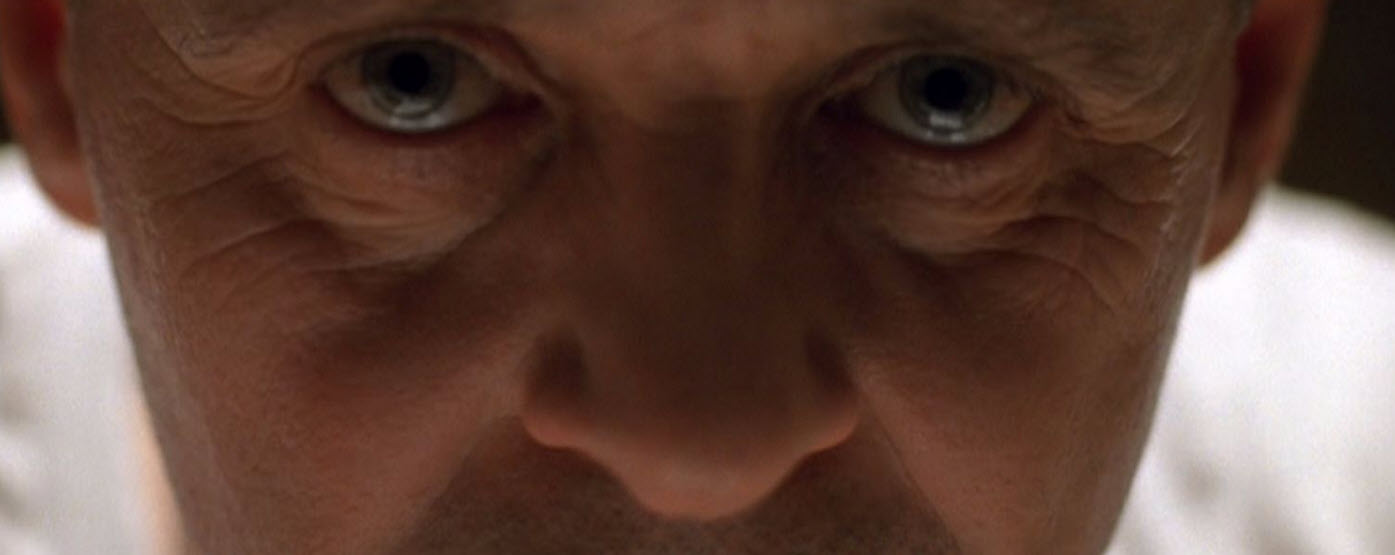
    Extreme Close-Up (ECU): This shot shows a small detail of the subject, such as the eyes or mouth. It is often used for emphasis or to create a sense of intimacy.

    Silence of the Lambs

    Interested in mastering shot sizes and taking your cinematography skills to the next level? Watch my concise course, ‘Fundamentals of Cinematography: Every Shot Size Explained,’ where I’ll explain the most important shot sizes and their functions. Whether you’re a beginner or an experienced filmmaker, this course is designed to help you choose the right shot size to make your actors’ performances really shine. We’ll go through every major shot size and provide examples from my own films and other well-known movies to illustrate their use and professional vocabulary.
    You can explore another division in shot types in this post: Shot Sizes – Subdivision by how many subjects are in the frame

  • “Under The Skin” explained in 3 minutes

    If you’re still not sure what was “Under the skin” about, watch that clip. It will provide the answers to this very ambiguous masterpiece. I always recommend rewatching the films you liked, but this particular one is richer when you see it the second time with the comfort of actually knowing what’s going on. In the future I might do a detailed analysis of this movie. I already have the Walter Campbell, Jonathan Glazers screenplay. I also have Michel Fabers book that it was based upon.

    #UnderTheSkin #CinemaExplained #summary

  • “Joker” EXPLAINED in 3 minutes

    Todd’s Philips 2019 Joker is a very good movie. But why so nihilistic? In this video, I explain the meaning behind Arthur’s journey.

    #joker #filmanalysis #cinemaexplained

  • “Enemy” with Jake Gyllenhaal explained in 3 minutes

    If you’re still not sure what was “Enemy” about, watch that clip. It will provide the answers to the story and an ambiguous ending. Great acting from Jake Gyllenhaal and cryptic storytelling from Denis Villeneuve made this film one of my favorites of 2014. There are many SPOILERS in the video. You have been warned.

    #enemy #filmanalysis #cinemaexplained

  • Character Arcs: Walter White is Michael Corleone

    Character Arcs: Walter White is Michael Corleone

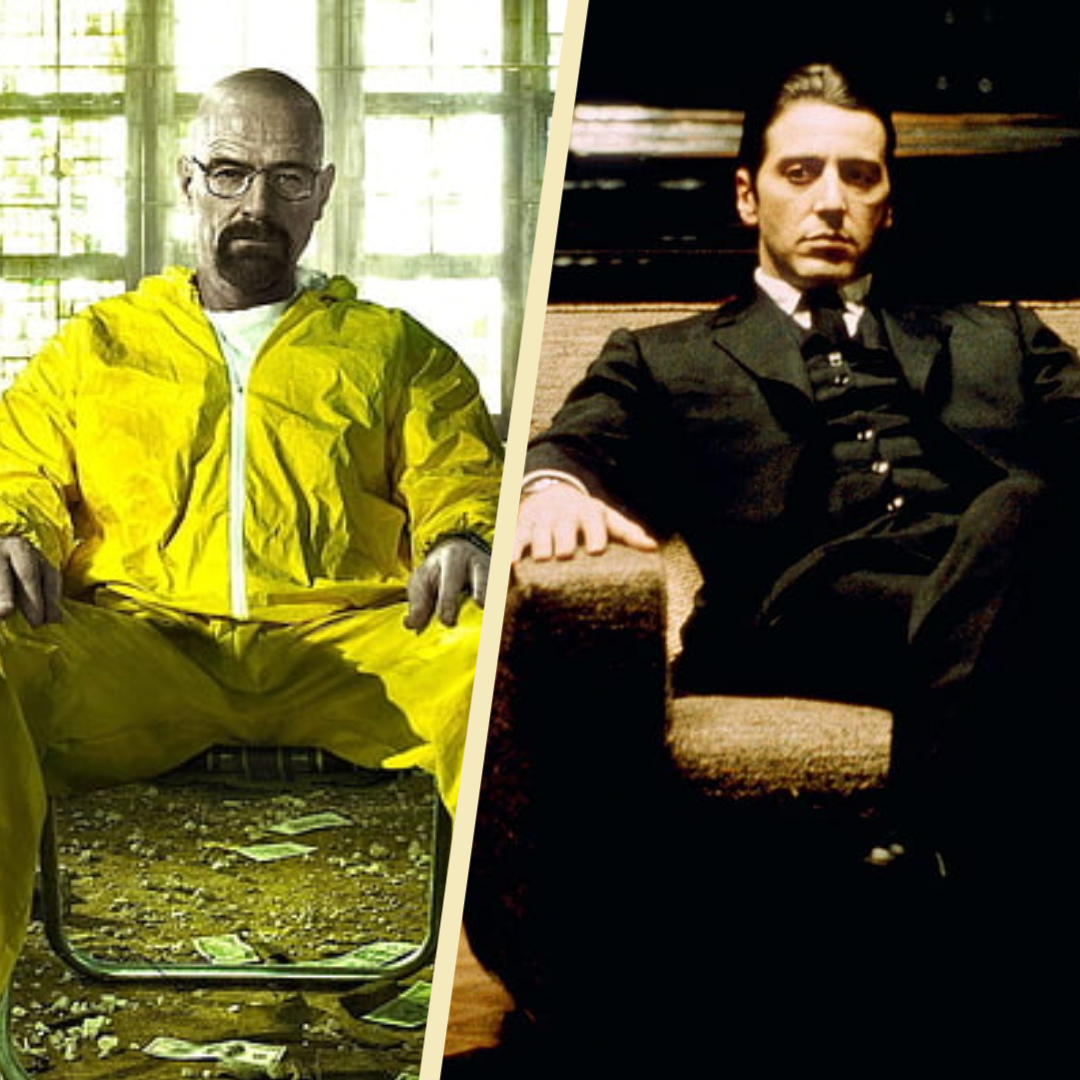
    The realm of storytelling is enriched by the presence of complex and deeply flawed characters who embark on transformative journeys. Two iconic figures, Michael Corleone from the 1972 film “The Godfather” and Walter White from the television series “Breaking Bad,” exemplify the enthralling nature of some specific types of character arcs.

    A character arc is the transformation or inner journey of a character over the course of a story. If a story has a character arc, the character begins as one sort of person and gradually transforms into a different sort of person in response to changing developments in the story.

    Although the stories of Walter and Michael differ in genre and medium, the striking similarities between narratives are remarkable. Both characters find themselves entangled in a treacherous web of criminality, and tragically, they lose their families in their pursuit to save them. This article explores the captivating parallel character arcs of Michael Corleone and Walter White:

    1. From Reluctance to Embrace: Michael Corleone, initially distancing himself from his family’s criminal activities, is drawn into the world of organized crime due to circumstances beyond his control. Similarly, Walter White, a high school chemistry teacher turned methamphetamine manufacturer, doesn’t even think about a criminal lifestyle. As circumstances worsen, both characters find themselves succumbing to the seductive power of their newfound roles.

    2. Necessity as the Catalyst: For both Michael and Walter, the catalyst for their transformation is a desperate need to protect their families. Michael’s sense of duty drives him to take charge of his family’s criminal empire and ensure their safety. Similarly, Walter, after being diagnosed with terminal cancer, turns to manufacturing and distributing drugs to secure his family’s financial future. Both characters operate under the belief that they are making sacrifices for the greater good, but their choices come with devastating consequences.

    3. Losses Incurred: While striving to protect their families, Michael and Walter experience profound losses. Michael’s ascent into power leads to the disintegration of his personal relationships, estranging him from his second wife, Kay, and alienating him from his siblings. Walter, too, faces the erosion of his family bonds as his illicit activities consume his life. His wife, Skyler, becomes increasingly distant, and his son, Walter Jr., grapples with the repercussions of his father’s choices. Ultimately, both characters sacrifice the very thing they set out to save— their families.

    4. Moral Decline: As Michael and Walter plunge deeper into the criminal underworld, their moral compasses become increasingly distorted. Michael, originally viewed as the innocent son, transforms into a ruthless and calculating mob boss, shedding his initial reservations. Walter, a once well-intentioned family man, descends into darkness, rationalizing his actions in the name of providing for his loved ones. The boundaries of right and wrong blur for both characters as they become consumed by their own power and ambitions.

    5. The Tragic Irony: The tragic irony lies in the realization that Michael and Walter’s efforts to save their families ultimately result in their undoing. Michael’s ruthless pursuit of power leads to the loss of his loved ones (the death of his wife Apollonia in a car bomb, he orders the assassination of his brother Fredo), leaving him isolated and tormented by guilt. Similarly, Walter’s choices not only destroy his family but also expose them to danger, forcing them into a life of fear and instability. In their desperate attempts to protect, they unwittingly become the agents of destruction.

    Michael Corleone and Walter White, despite belonging to different narrative mediums, share a parallel character arc that revolves around the sacrifice of their families. There is a limited number of transformations that your character can undergo. When reviewing and rewriting your script, it’s a great practice to find a character from popular culture that shares the same character arc and compare their journey. It can really speed up your process of rewriting your screenplay.

    For more info on writing great characters, visit Jump-Start to Screenwriting: Everything You Need to Know to Write Your First Script.