Category: Film Analysis

  • The White Ribbon: Decoding the Symbolism of Evil’s Birth

    The White Ribbon: Decoding the Symbolism of Evil’s Birth

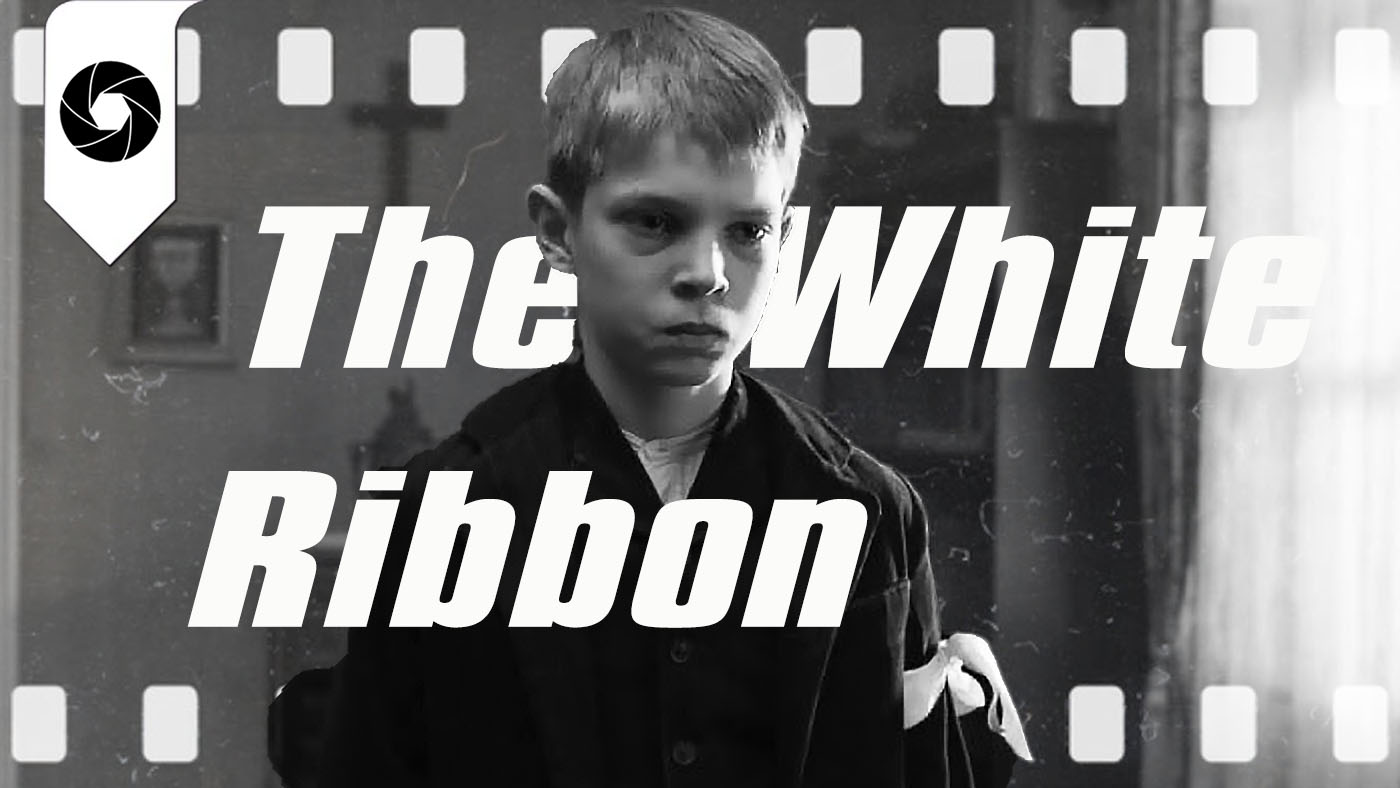
    Michael Haneke’s acclaimed film “The White Ribbon” (2009) presents viewers with a chilling portrait of a German village just before World War I. Shot in stark black and white, the film chronicles a series of mysterious violent incidents in the fictional village of Eichwald.

    Beyond its surface narrative, Haneke’s masterpiece contains rich symbolism that speaks to the origins of fascism, the cycle of violence, and the corruption of innocence. The White Ribbon symbolism plays a crucial role in understanding the film’s deeper themes. Let’s explore the deeper meanings behind this disturbing yet profound examination of human nature, focusing on how The White Ribbon symbolism serves as a lens through which we can interpret the psychological foundations of authoritarian ideology.

    The Setting: A Society on the Brink

    Set in 1913-1914, the timing of “The White Ribbon” is deliberate and significant. Haneke specifically chose the period before World War I to examine the social conditions that would eventually lead to the rise of Nazism decades later. The film depicts a rigid Protestant community governed by strict religious principles and unquestioned patriarchal authority.

    This particular village becomes a microcosm of German society, revealing the hidden tensions, hypocrisies, and structural violence that would later explode on a national scale. The seemingly idyllic rural setting masks a community riddled with cruelty, abuse, and suppressed rage—all waiting to erupt like a “ticking bomb,” as Haneke himself has described it.

    The Symbolism of the White Ribbon

    The film’s title refers to the white ribbons that the village pastor forces his children to wear as a reminder of their supposed innocence and purity. This potent symbol operates on multiple levels:

    1. Supposed Purity: Ostensibly, the white ribbon represents innocence and moral purity—virtues the children should aspire to maintain.

    2. Symbol of Control: More sinisterly, the ribbons function as visible markers of the pastor’s control over his children—a constant reminder that they are being monitored and must adhere to his strict moral code.

    3. Inverted Symbolism: Most importantly, Haneke inverts the traditional meaning of the white ribbon. Rather than representing genuine innocence, it becomes a symbol of corruption and hypocrisy. The children wearing these ribbons are not innocent at all—they are the likely perpetrators of the village’s violent acts.

    As one critic noted, “the symbol undergoes complete degradation, becoming inverted as a mark of shame. It becomes its own antithesis. The wearer of the white band is not pure; they are carriers of a disease.” This perversion of the symbol reflects the film’s larger theme: how values meant to uphold moral order can be twisted to justify cruelty and violence.

    The Cycle of Violence: Children Bearing the Sins of Their Parents

    One of the most disturbing elements in “The White Ribbon” is revealed when a disabled boy is found tortured with a note attached to him stating that “children will pay for the sins of their parents.” This biblical reference is the key to understanding the film’s central mechanism.

    The children in the film exist in a paradoxical state:

    1. First, they are victims of their parents’ cruelty and hypocrisy. The pastor’s children are physically punished and humiliated; the doctor’s daughter is sexually abused; the farmer’s children witness their father’s despair after their mother’s death.

    2. Then, these same children become perpetrators, inflicting suffering on others they deem deserving of punishment. They have internalized the black-and-white morality and violence of their elders.

    This creates a vicious cycle where:

    • Children are taught absolute obedience and that transgressions must be punished

    • They witness adults violating these same moral principles without consequences

    • The children then take it upon themselves to enforce justice according to the rigid principles they’ve internalized

    • In doing so, they become even more extreme versions of their parents

    Specific Incidents and Their Symbolism

    The film presents several mysterious incidents that gradually reveal the village’s moral decay:

    1. The Doctor’s Riding Accident: The film opens with the doctor being injured when his horse trips over a wire strung between two trees. This establishes the pattern of hidden violence that will characterize the film.

    2. The Death of the Farmer’s Wife: Her death in a workplace accident due to negligent maintenance by the Baron and his steward represents the structural violence and class inequality in the village.

    3. The Farmer’s Suicide: Unable to seek justice for his wife’s death and overwhelmed by grief, the farmer hangs himself. His suicide illustrates the helplessness of the lower classes against the powerful.

    4. The Torture of the Baron’s Son: The Baron’s son is kidnapped, tied up, and whipped—perhaps the clearest instance of the children exacting “justice” against those they perceive as privileged and immune to punishment.

    5. The Attack on the Disabled Boy: The most disturbing incident involves the torture of the midwife’s disabled son, with the note about children paying for their parents’ sins. This act symbolizes how the innocents (the disabled boy) often suffer for the sins of others (the midwife’s relationship with the cruel doctor).

    6. The Burning of the Baron’s Barn: This act of arson represents escalating violence against authority figures and property—foreshadowing larger social upheavals to come.

    From Victims to Perpetrators: The Birth of Fascism

    Haneke’s most profound insight is how the film portrays the psychological transformation that leads ordinary people to embrace extremist ideologies. The children in “The White Ribbon” embody this process:

    1. Need for Order: Raised in a system of absolute rules and harsh punishment, the children crave a world that makes sense. They cannot tolerate the hypocrisy they witness.

    2. Absolutism: The children learn that rules are not to be questioned and that authority (when it aligns with their worldview) must be obeyed without hesitation.

    3. Dehumanization: They come to see certain people as deserving of punishment—creating categories of “others” who can be rightfully harmed.

    4. Moral Mission: Most dangerously, they believe their violence serves a higher purpose—cleansing society of impurity and enforcing justice.

    These psychological mechanisms mirror those that would later enable ordinary Germans to participate in or accept the Nazi regime’s atrocities. Haneke is suggesting that Nazism didn’t appear from nowhere—its roots lay in specific patterns of thinking that had been developing for decades.

    The Ambiguous Ending: Deliberate Incompleteness

    The film ends without resolving all its mysteries. We never learn definitively what happened to the midwife and her son, though it’s implied they may have been silenced to protect the community’s secrets. The schoolteacher’s suspicions about the children are dismissed by the pastor.

    This deliberate ambiguity serves several purposes:

    1. It forces viewers to actively interpret the film rather than passively receiving a neat resolution

    2. It mirrors how societies often refuse to confront uncomfortable truths, preferring convenient narratives

    3. It suggests that the cycle of violence continues beyond the film’s timeframe, eventually leading to the historical horrors we know followed

    The Hidden Meaning

    The hidden meaning of “The White Ribbon” can be expressed as:

    “Unchecked authoritarian child-rearing and moral hypocrisy creates not purity but its opposite—individuals capable of extreme cruelty in service of ideological purity.”

    Or more succinctly:

    “Rigid morality without compassion breeds monsters.”

    By examining these psychological and social mechanisms through the microcosm of a single village, Haneke offers profound insights into how ordinary people can become capable of extraordinary evil—a lesson that remains as relevant today as it was when looking at pre-WWI Germany.

  • The Art of Reference: Examining Visual Citations in ‘Substance’

    The Art of Reference: Examining Visual Citations in ‘Substance’

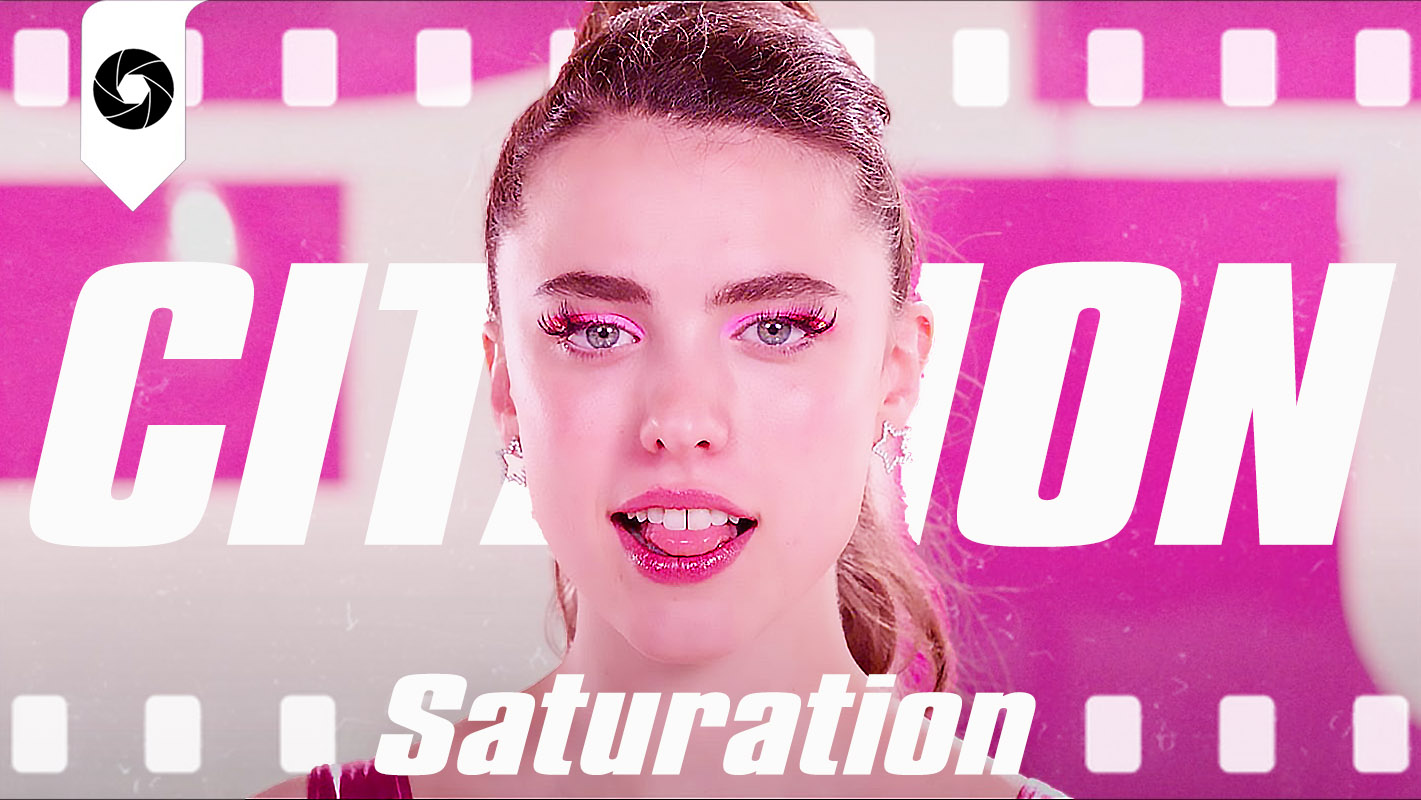
    Margaret Qualley as Sue in ‘Substance’ dir. Coralie Fargeat

    As a film director and teacher at the Polish National Film School, I often emphasize to my students that every visual element should serve the story’s core meaning. When watching Substance (2023), directed by Coralie Fargeat, I noticed numerous references to classic films that demonstrate deep cinematic knowledge. However, these references raise an intriguing question about the relationship between homage and narrative purpose.

    A Symphony of Visual References

    Fargeat’s film exhibits clear inspiration from Stanley Kubrick’s “The Shining” (1980). The office corridor sequences employ Kubrick’s signature symmetrical composition, with the camera positioned at the center of long hallways, creating a sense of institutional menace similar to the Overlook Hotel’s infamous passages. The carpet patterns in these corridors even mirror the hexagonal designs from “The Shining,” though serving a different narrative purpose. Most notably, the bathroom scene, where the protagonist accidentally overhears news of her impending termination, borrows Kubrick’s clinical approach to interior spaces – using stark lighting, rigid geometry, sterile white surfaces, and striking use of red color that echo the bathroom scenes from “The Shining.” Just as Kubrick used red as a harbinger of horror in his film’s bathroom sequences, Fargeat employs the same color palette to foreshadow her protagonist’s professional doom.

    The camera placement and movement in this scene particularly recalls Jack Torrance’s conversation with his predecessor, the previous caretaker Grady, in the Overlook’s red bathroom. Both scenes feature characters learning disturbing truths about their professional fate, though in “Substance” the revelation comes through accidental eavesdropping rather than supernatural encounter.

    David Lynch’s influence permeates the film as well. The phone conversation scenes, particularly the extreme close-ups of the woman’s mouth while speaking, directly echo shots from “Lost Highway” (1997). These compositions share Lynch’s distinctive approach to filming facial features and female sexuality, reminiscent of scenes with Patricia Arquette’s character in “Lost Highway.”

    The protagonist’s physical transformation sequence draws clear inspiration from Lynch’s “The Elephant Man” (1980). As the character undergoes her metamorphosis, the visual treatment of her altered form recalls the presentation of John Merrick’s disfigurement. This parallel becomes even more explicit in the gallery scene, where she wears facial covering that closely resembles the protective hood Merrick used to shield himself from public view. This borrowing from Lynch’s visual vocabulary, while technically precise, seems more focused on aesthetic impact than thematic resonance.

    The Question of Purpose

    These references showcase Fargeat’s extensive knowledge of cinema history. The execution is precise, demonstrating technical skill in recreating iconic visual compositions. Yet, as I analyze these citations, I find myself questioning their thematic contribution to the narrative.

    Understanding Hidden Meaning

    The core theme of “Substance” centers on society’s obsession with youth and beauty, particularly in professional environments. It examines how aging women face systematic replacement by younger counterparts, regardless of their competence or experience. This theme manifests through the protagonist’s physical transformation and her struggle against a system that values appearance over substance (pun intended).

    “Youth is currency; experience is expendable.”

    The Power of Purposeful Reference

    To illustrate how cinematic references can reinforce themes, let’s examine Todd Phillips’ “Joker” (2019). The film uses Gary Glitter’s “Rock and Roll Part 2” during a pivotal scene where Arthur Fleck descends the now-famous Bronx stairs in a dance of liberation – notably going down instead of climbing up, symbolizing his embrace of moral descent. The ease and joy of his movement down these same stairs he previously struggled to climb illustrates how natural and liberating his descent into evil has become.

    This choice carries multiple layers of meaning. What’s particularly notable is that the song was specifically written into the screenplay – an unusual choice, as music selection is typically left to the director’s discretion during production. This deliberate inclusion in the script signals the song’s importance as a planned symbolic element rather than a post-production decision. Beyond establishing the 1980s setting, the song’s performer’s controversial history adds subtext. Glitter’s real-life notoriety for criminal behavior – culminating in his 2015 conviction and 16-year prison sentence for abusing minors – creates an uncomfortable ambiguity that aligns with the film’s exploration of moral transformation.

    The song choice reinforces the theme of evil begetting evil, where Arthur Fleck finds liberation through embracing darkness. I’m certain this symbolic layer will fly over most viewers’ heads – perhaps only 1% of the audience knows about Glitter’s criminal history, especially since he’s not a contemporary artist. Yet this reference still serves its purpose. For the few viewers aware of the context, it creates an additional layer of meaning. For everyone else, the contrast between the song’s cheerful tone and the scene’s dark implications still provokes the intended ambiguous feeling about Arthur’s transformation. This is how a reference should function – working on multiple levels while still serving the story’s core theme, regardless of the viewer’s knowledge of its deeper context.

    A Game of References

    Let’s play a game. If we were to search through cinema history for a scene that could serve as a meaningful reference in “Substance,” what would we look for? The goal would be to find a visual citation that doesn’t just demonstrate cinematic knowledge but actually reinforces the film’s central theme of ageism and professional obsolescence. Instead of references that serve as mere decoration, we’re hunting for one that could deepen the story’s meaning.

    There exists such a reference point in Federico Fellini’s “8½” (1963). In a pivotal sequence, Guido, a film director, watches a series of dancers auditioning. Among them is an aging dancer who moves with grace and technical mastery, demonstrating years of professional experience. Despite her evident skill, she’s dismissed – not because she can’t dance, but because she doesn’t fit the youthful image the production desires. What follows is a heart-wrenching moment as she refuses to leave the stage, delivering an impassioned monologue about her abilities. She argues that she can still dance, that her experience should count for something, that her body still knows the movements. The camera lingers on her face as she processes this rejection, capturing this raw moment when expertise collides with society’s obsession with youth. Her desperate plea to be valued for her skill rather than her age makes the scene even more poignant. As she exits the stage, making room for younger performers, we witness a microcosm of professional displacement that resonates powerfully with themes of age discrimination.

    This scene encapsulates the exact theme “Substance” explores – the cruel paradox where experience becomes a liability rather than an asset. Here, the visual reference would have directly reinforced “Substance’s” central theme about the disposability of aging professionals, creating a dialogue between past and present about how little has changed in society’s treatment of aging workers.

    Of course, this scene from “8½” is just one example from cinema’s vast history. I’m certain there are many other scenes from different films that could playfully reinforce or add depth to “Substance’s” exploration of ageism. What scenes come to your mind? Share your ideas in the comments – which film references do you think would meaningfully connect with the theme of professional obsolescence and society’s obsession with youth?

    The Function of Symbolism

    As I teach my students, symbols and references should not merely decorate a film. While Fargeat demonstrates admirable knowledge of cinema history, the citations to Kubrick and Lynch function more as ornamental tributes than thematic reinforcement. The technical execution is impressive, but these references function more as ornamental tributes than thematic reinforcement.

    This analysis isn’t meant to diminish Fargeat’s achievement – after all, competing in the main competition at Cannes is a remarkable accomplishment that speaks to her talent as a filmmaker. My goal with this article is to examine how visual references can either strengthen or distract from a film’s central message. As filmmakers, our primary obligation is to our story’s meaning, with every technical and artistic choice serving that purpose.

    Sources
    Films referenced in analysis:

    • “Substance” (2023) – Directed by Coralie Fargeat, starring Demi Moore, Margaret Qualley and others

    • “The Shining” (1980) – Directed by Stanley Kubrick

    • “Lost Highway” (1997) – Directed by David Lynch

    • “The Elephant Man” (1980) – Directed by David Lynch

    • “Joker” (2019) – Directed by Todd Phillips

    • “8½” (1963) – Directed by Federico Fellini

    Additional Sources:

    • About Gary Glitter’s case – BBC News article

  • When Truth Becomes Unbelievable: An Analysis of ‘Io Capitano’

    When Truth Becomes Unbelievable: An Analysis of ‘Io Capitano’

    “Io Capitano”, directed by Matteo Garrone.

    Matteo Garrone’s “Io Capitano” (2023) is a film that will shake you to your core. The story follows Seydou and Moussa, two teenage cousins from Senegal who dream of making it big in Europe. As I watched their harrowing journey from the streets of Dakar through the Sahara Desert and into the treacherous Mediterranean Sea, I found myself needing to pause several times – not because of gratuitous violence or shock value, but because of its devastating authenticity. The film’s raw depiction of the migration crisis is so painfully real that it becomes almost unbearable to watch. Yet, paradoxically, there’s one crucial element of this true story that challenged my suspension of disbelief. But more on that later.

    The Power of Supernatural Elements

    One of the film’s most striking artistic choices is its incorporation of supernatural elements. These moments, where our protagonist encounters an angel or the ghost of a woman who died in the desert, serve as powerful metaphors for the psychological coping mechanisms of those facing unimaginable hardship. These surreal scenes actually enhance the film’s realism by providing insight into the mental state of someone experiencing severe trauma.

    The Power of Odd Numbers in Storytelling

    However, this is where we encounter an interesting lesson in storytelling craft. While these supernatural elements are powerful, their implementation reveals a common pitfall in narrative design. The film presents only two such moments, which brings us to an important principle of storytelling: the rule of odd numbers.

    In narrative construction, symbolic or supernatural elements tend to work best when they appear an odd number of times – typically three, five, or seven occurrences. This isn’t arbitrary; it’s rooted in the psychology of how audiences process patterns and meaning. With two occurrences, elements can feel coincidental or underdeveloped. Three or more creates a clear pattern that audiences subconsciously recognize as intentional.

    Think of classic storytelling examples: three wishes in fairy tales, three ghosts in “A Christmas Carol,” three trials in hero’s journeys. Even in modern storytelling, this principle holds true – consider Christopher Nolan’s “Inception” with its three layers of dreams, or the three time periods in “The Godfather Part II.”

    In “Io Capitano,” a third supernatural encounter could have served multiple purposes:

    – Reinforcing the pattern of psychological coping mechanisms- Providing another emotional peak in the narrative- Creating a more satisfying arc for these symbolic elements- Deepening our understanding of the protagonist’s mental state

    For example, a third supernatural scene could have occurred during the Mediterranean crossing, perhaps showing our protagonist receiving guidance from both the angel and the ghost when he faces his greatest challenge. This would have created a perfect trinity of supernatural encounters, each marking a crucial stage in his journey: the decision to leave, the desert crossing, and the sea voyage.

    The Paradox of Truth

    Now, we arrive at the film’s most challenging aspect – one that initially felt like a misstep but revealed a fascinating paradox about storytelling. The climactic revelation that our young protagonist would captain a boat carrying 250 people across the Mediterranean seemed, to me, completely implausible. As an audience member, I found myself questioning this plot development, feeling that it threatened to undermine the film’s carefully constructed realism.

    Reality That Surpasses Fiction

    Then came the stunning realization that changed everything: this “unbelievable” element was absolutely true. The film follows two teenage friends from Senegal who risk everything to reach Europe, but Garrone crafted the story by combining the experiences of two real individuals: Fofana Amara, who skippered a boat across the Mediterranean at just 15 years old, and Mamadou Kouassi, whose journey through the Sahara and Libya informed the first part of the film.

    The director’s commitment to authenticity is evident in his decision to exclude certain real events because they were too shocking. In interviews, Garrone revealed that some of the actual experiences of migrants, including sexual violence against women and the abuse of children, were deliberately left out of the film. This artistic choice speaks volumes about the horrific reality that even this brutal film only partially depicts.

    What Could Have Made It More Believable? A Director’s Perspective

    This brings us to an interesting observation about truth in cinema: sometimes reality needs additional context to feel authentic on screen. When dealing with extraordinary true events, the audience needs careful preparation to accept what might otherwise seem implausible. As a director who has faced similar challenges in my own work, I’ve learned that just because something actually happened doesn’t mean the audience will believe it.

    In the case of “Io Capitano,” I believe several elements could have helped prepare us for its climactic revelation. Let’s analyze these potential additions in detail:

    1. Building Tension Around the Captain Decision While the film does show us the critical moment when our protagonist initially refuses the smugglers and is then convinced to take on this responsibility, I felt this sequence needed more development. Yes, we see his fear and reluctance in that crucial scene, but the film could have built more context around this life-changing decision. For instance, we could see him secretly observing other potential candidates being approached and refusing, or witness him overhearing conversations about previous teenage captains. We could feel the mounting pressure as the departure date approaches and no experienced captain steps forward. These additional scenes would help us understand not just the moment of decision, but the suffocating lack of alternatives that makes this choice feel inevitable. This way, when he finally accepts, it wouldn’t feel like a sudden plot turn but rather the tragic culmination of a carefully constructed pressure cooker situation.

    2. The Criminal Context Another crucial element that needed more emphasis was explaining to the audience why the smugglers choose migrant captains. During the existing negotiation scene, when our protagonist expresses his reluctance, the smugglers could have revealed the harsh reality of their operation. They could explain how the laws have changed, how professional captains now face decades in prison, and how this has forced them to find alternatives. This context, delivered during this pivotal moment, would not only make the situation more credible for the audience but would also add another layer to our protagonist’s impossible choice. By letting the audience understand this tragic system through this tense exchange, the choice of a teenage captain would feel less like a plot contrivance and more like an inevitable product of cruel circumstances.

    3. The Missing Support System One of the most jarring aspects of the boat scenes is how the other migrants behave. In the film, grown men and women run to our 17-year-old protagonist with every problem – from mechanical issues to medical emergencies. This doesn’t ring true to human nature. What would have worked better is showing a organic support system emerging on the boat. Perhaps a few adults with some maritime experience could help with navigation while others assist with medical emergencies. Our young captain could then be the formal leader – the one who must ultimately make the decisions – while being supported by a realistic network of adults. This would make the power dynamics feel more natural while maintaining the core truth of his responsibility.

    4. Power Dynamics on the Vessel The film shows the migrants almost as passive observers, which feels unrealistic given the life-or-death situation. In reality, people tend to self-organize in crisis situations. The film could have shown this organization process: perhaps some passengers take charge of water distribution, others handle conflicts, while others help with navigation. Our young captain could then be the focal point of these various groups, making final decisions but not carrying the entire burden alone.

    5. The Scale of the Operation While I understand that the real story involved a large vessel, sometimes historical accuracy needs to be balanced against dramatic credibility. A smaller boat would have made the situation more believable for several reasons:

    • It would reduce the implausibility of smugglers risking such a large asset

    • It would make the number of passengers more manageable for our young protagonist

    • It would create a more intimate setting for character development

    • It would still maintain the core truth of the story – a teenager being forced to captain a vessel full of migrants

    These suggestions aren’t about changing the truth but about creating the dramatic infrastructure that helps audiences accept the truth. This is a crucial lesson I’ve learned in my own filmmaking: when reality presents us with extraordinary events, we must work harder to make them believable. Building proper context isn’t about compromising the truth – it’s about helping the audience embrace it.

    Hidden Meaning

    The film’s deeper message explores the complex intersection of desperation, hope, and the human will to survive. Through its unflinching portrayal of the migration crisis, “Io Capitano” reveals how systematic oppression and global inequality force people into impossible situations, where even children must take on unimaginable responsibilities.

    The one-line version that encapsulates this theme would be:

    “When survival demands the impossible, the impossible becomes necessary.”

    “Io Capitano” stands as a powerful reminder that truth can sometimes be stranger than fiction. What makes this film particularly fascinating is how it challenges our preconceptions about what is and isn’t believable. While certain elements of the story might strain credibility, the film’s greatest achievement lies in showing us just how far we still have to go in understanding and depicting the real human cost of the global migration crisis.

    Sources:

    Real-life ‘Io Capitano’ Skipper Fofana Amara Talks Oscar Hopes & Pleasure That His Story Is Being Told

    Matteo Garrone on his migration drama: ‘I could only rely on the sound of their voices to tell if they were acting well’

  • Hereditary Explained: A Guide Through the plot

    Hereditary Explained: A Guide Through the plot

    Milly Shapiro as Charlie in “Hereditary”

    If you’ve just finished watching Ari Aster’s “Hereditary” (2018) and found yourself puzzled by what exactly happened, you’re not alone. Let’s break down exactly what happened in this intricate supernatural horror film. But first, we should understand why the film feels so complex.

    Why The Film Seems Complex

    The film’s complexity comes not from its plot but from its presentation. Aster deliberately keeps viewers off-balance by:

    • Never directly explaining the cult’s plan

    • Mixing supernatural elements with family drama

    • Using misdirection about whether events are supernatural or psychological

    • Providing information through subtle visual cues and background details

    Once you understand these storytelling techniques, the actual plot becomes much clearer. Let’s unravel it step by step.

    The Setup: A Family Under Attack

    The film begins with the death of Ellen Leigh, the secretive and mysterious grandmother of the Graham family. While her daughter Annie (Toni Collette) seems ambivalent about the loss, her granddaughter Charlie (Milly Shapiro) shows genuine grief. This opening sets up the central conflict: the Graham family isn’t just dealing with loss — they’re caught in a generations-long plot orchestrated by a demon-worshipping cult.

    The Truth About Charlie

    One of the most confusing aspects of the film is Charlie’s true nature. According to director Ari Aster, there was never really a “Charlie” as we know her. From the moment of her birth, Charlie’s body was hosting Paimon, one of the eight kings of hell. Ellen, the grandmother, had orchestrated this possession, but there was a problem: Paimon requires a male host to reach his full potential.

    The seemingly random and shocking death of Charlie – her decapitation in a car accident – was actually carefully planned by the cult. The telephone pole that decapitated her even bore Paimon’s symbol, indicating this was no accident but rather a ritual sacrifice to free Paimon from his female vessel.

    The Cult’s Ultimate Goal

    The entire film follows the cult’s elaborate plan to transfer Paimon from Charlie’s body to her brother Peter’s (Alex Wolff). This wasn’t their first attempt – Annie’s brother had committed suicide after claiming their mother was “trying to put people inside him.” The cult needed a male host from Ellen’s bloodline, which is why Annie’s husband Steve (Gabriel Byrne) wasn’t a suitable target.

    Understanding Annie’s Role

    Annie isn’t part of the cult – she’s another victim. The cult manipulates her through Joan (Ann Dowd), who poses as a grief counselor but is actually Ellen’s former cult lieutenant. Joan tricks Annie into performing a séance, which opens the door for Paimon to begin possessing Peter.

    The Ending Explained

    The film’s disturbing conclusion shows the cult’s plan coming to fruition. After Annie becomes possessed and decapitates herself (decapitation being a recurring motif associated with Paimon), Peter jumps from the attic window. This moment of trauma allows Paimon to finally take complete possession of Peter’s body. The final scene in the treehouse shows Peter/Paimon being crowned by the cult, who address him as “Charlie” because that’s the only identity Paimon knew while trapped in Charlie’s body.

    Making Sense of It All

    While “Hereditary” presents itself as a complex supernatural horror film, its plot is essentially about a cult successfully carrying out an elaborate plan to provide a demon king with a suitable host. The family drama, grief, and psychological horror elements serve mainly as window dressing for what is, at its core, a rather straightforward possession story.

    The Hidden Symbol System

    Throughout the film, there are various symbols and words scratched into walls: “satony,” “zazas,” and “liftoach pandemonium.” While these might seem significant, they’re essentially atmospheric elements that reinforce the occult aspect of the story without adding deeper meaning.

    Final Thoughts

    “Hereditary” succeeds as an atmospheric horror film that keeps viewers guessing until its finale. While some have attempted to read deeper meanings about family trauma or mental illness into the film, it works best when viewed as what it is: a skillfully crafted supernatural horror movie about a demon cult achieving its goal. The film’s strength lies not in profound symbolism or commentary on the human condition, but in its ability to maintain suspense and deliver genuine scares while telling its story.

  • Trainspotting Explained – Decoding the Real Message Behind Danny Boyle’s Bildungsroman

    Trainspotting Explained – Decoding the Real Message Behind Danny Boyle’s Bildungsroman

    Evan McGregor in “Trainspotting” 1996

    Danny Boyle’s “Trainspotting” (1996) shocked audiences with its frenetic style and unflinching portrayal of Edinburgh’s drug scene. But beneath its provocative surface lies a sophisticated tale about growing up in a world where both rebellion and conformity seem equally toxic. Through its complex layers of narrative and metaphor, the film tells us something profound about the journey from youth to adulthood that many viewers might have missed on their first viewing.

    The Mystery Behind the Title

    The term “trainspotting” traditionally refers to a British hobby where enthusiasts observe and record train numbers at railway stations. However, in the context of the film, the title takes on a deeper metaphorical meaning. Just as trainspotters obsessively track passing trains that lead somewhere else, the characters in the film are stuck in their own form of obsessive behavior – drug addiction – watching life pass them by while remaining stationary themselves.

    Bildungsroman in Disguise

    While “Trainspotting” is often categorized as a drug film, its narrative structure reveals a classic bildungsroman – a German literary term for a coming-of-age story that follows a young person’s journey to adulthood. Just as works like “Great Expectations” or “The Catcher in the Rye” chart their protagonists’ path to maturity, “Trainspotting” follows Mark Renton’s transformation from lost youth to self-aware adult. Through Ewan McGregor’s brilliant portrayal, we see how Renton’s heroin addiction serves as a metaphor for arrested development.

    The film masterfully incorporates the essential phases of personal transformation:

    • Beginning Phase: We meet Renton trapped in the destructive cycle of heroin dependency

    • The Great Escape: His bold decision to leave Edinburgh’s toxic environment for a fresh start in London

    • Battle for Change: Renton faces multiple challenges, from the physical torment of withdrawal to the psychological pull of his old life and friends

    • Moment of Truth: The high-stakes drug deal becomes the crucible where Renton must decide who he truly wants to be

    • Metamorphosis: His final decision to “choose life” marks his emergence into authentic adulthood

    Full names mean developed characters

    One of the film’s subtle but powerful narrative devices is its use of names. Mark Renton and Francis Begbie are the only characters consistently referred to by their real names, while others remain known by nicknames – Spud, Sick Boy, and Tommy. This distinction becomes significant when we realize that Begbie, despite his violence, never uses heroin, and Renton eventually breaks free from addiction. The nicknames represent a state of arrested development, while real names signify adult identity.

    Symbols of Transformation

    Boyle uses mirror scenes at the beginning and end of the film to chart Renton’s evolution. In the opening, we see a gaunt, hollow-faced addict staring back from the reflection, while the final mirror scene presents a healthier, more composed individual. This visual transformation reinforces the film’s theme of personal growth and change, showing us physically what has changed within.

    The film’s famous “Choose Life” speeches serve as equally powerful markers of Renton’s evolution. The opening monologue drips with youthful cynicism and rebellion, as Renton viciously mocks societal norms and expectations. When these same words return at the film’s conclusion, they carry an entirely different weight – no longer targets for mockery, but a genuine manifesto for living. Through these parallel speeches, we witness Renton’s journey from cynical youth to self-aware adult.

    The Dark Trinity: Three Narrative Elements of Horror

    While “Trainspotting” pulses with vibrant colors, kinetic energy, and an iconic soundtrack that could make heroin addiction seem almost glamorous, Danny Boyle deliberately weaves three devastating narrative elements that expose addiction’s true horror:

    1. Baby Dawn’s death stands as the film’s most gut-wrenching portrayal of collateral damage. The scene’s power comes not just from the discovery of the infant’s body, but from the way Boyle frames the collective denial of the addicts who had been too high to notice the baby’s deterioration.

    2. Tommy’s fate serves as both the film’s most brutal cautionary tale and a dark mirror of Renton’s potential future. His transformation from a healthy, athletic young man to an HIV-positive addict living in squalor is particularly haunting. What makes Tommy’s story even more tragic is Renton’s unwitting role in his destruction – first by stealing the sex tape that leads to Tommy’s breakup, then by providing his first hit of heroin. As Tommy deteriorates, eventually dying alone in a squalid apartment surrounded by cat feces and heroin paraphernalia, we witness a chilling role reversal: while Renton climbs out of addiction, Tommy descends into it. It’s as if they trade places, with Renton’s path to salvation inadvertently paved by Tommy’s sacrifice, making his eventual escape even more poignant and morally complex.

    3. Renton’s withdrawal represents the film’s descent into psychological horror. Through hallucinations, including the infamous “baby on the ceiling” scene, Boyle creates a surreal nightmare that captures the mental and physical agony of heroin withdrawal. This departure from the film’s usual style emphasizes the traumatic nature of getting clean.

    These narrative elements serve as crucial counterpoints to the film’s otherwise energetic style. Boyle understood that to tell an honest story about addiction, he needed to balance the allure of drug culture with its devastating consequences. The horror elements ground the film’s more stylized moments in brutal reality.

    A Satisfying Betrayal

    The film’s conclusion offers a unique form of audience gratification through Renton’s betrayal of his friends. What would normally be seen as an act of treachery instead feels like justice served, particularly after we witness how his so-called friends have become a destructive force in his life. This becomes painfully clear when Begbie invades Renton’s small London apartment, terrorizing him and making a mess, followed by Sick Boy who arrives only to sell Renton’s TV set. These scenes effectively demonstrate how Renton has outgrown his old circle, with his former friends now acting as anchors dragging him back to his old life.

    The distribution of consequences feels perfectly calibrated: Begbie, the violent sociopath who terrorized his friends while hypocritically looking down on drug users, ends up in prison where his aggressive nature finally meets its match. Sick Boy, the manipulative friend who (claimed by Renton) never misses an opportunity to exploit others, gets a taste of his own medicine. Most satisfyingly, Renton leaves money for Spud, the film’s most genuinely sympathetic character, offering him a chance at redemption that feels earned.

    This ending works because it maintains moral complexity while delivering emotional satisfaction. Renton’s betrayal isn’t purely noble — he’s still stealing from his friends — but it represents a necessary severing of toxic bonds. The audience leaves feeling that while crime doesn’t pay, sometimes a well-executed betrayal can be the first step toward redemption.

    The Hidden Meaning

    The deeper meaning of “Trainspotting” lies in its exploration of choice and responsibility in modern society. Through Renton’s journey, the film examines how individuals navigate between complete rejection of societal norms (represented by drug addiction) and mindless conformity to consumerist culture.

    The longer version of the hidden meaning would be:

    “In a world of extremes between self-destructive rebellion and mindless conformity, true maturity means finding one’s own path while accepting the responsibilities of adult life.”

    The director’s one-liner version:

    “Choose your own path, not society’s escape routes.”

    The Cultural Impact

    “Trainspotting” transcended its modest budget to become a defining film of the 1990s. Its unflinching portrayal of addiction, combined with stylish direction, a pulsing soundtrack, and dark humor, created a new template for British cinema. The film launched the careers of several actors, including Ewan McGregor, Robert Carlyle, and Kelly Macdonald, while cementing Danny Boyle’s reputation as a director of unique vision. Through its complex narrative layers, the film presents a universal story about growing up and finding one’s place in the world. It reminds us that choosing life isn’t about conforming to society’s expectations, but about taking responsibility for our own path forward.

  • Annihilation: A Journey Through Trauma and Transformation

    Annihilation: A Journey Through Trauma and Transformation

    Natalie Portman in Annihilation (2018)

    As a filmmaker, I’m always drawn to movies that delve beneath the surface, using metaphor and symbolism to explore profound human experiences. One such film is Alex Garland’s 2018 sci-fi thriller “Annihilation,” starring Natalie Portman. On the surface, it’s a mind-bending tale of a mysterious alien zone and the expedition team sent to investigate it. But beneath the stunning visuals and unsettling atmosphere lies a poignant meditation on trauma, change, and the human struggle to adapt and heal.

    The Trauma of Infidelity

    At the heart of “Annihilation” is the relationship between Lena (Natalie Portman), a biologist and former soldier, and her husband Kane (Oscar Isaac). When Kane returns from a secret mission, altered and seriously ill, Lena joins the next expedition into “The Shimmer,” the alien zone that Kane’s team explored, desperate for answers.

    But Lena carries her own trauma: guilt over an affair she had while Kane was away. This infidelity looms large, a wound in their marriage that hasn’t healed. Lena’s journey into The Shimmer becomes a confrontation not just with the alien unknown, but with the consequences of her own actions and the fragility of human relationships in the face of betrayal.

    A Team of “Damaged Goods”

    Lena isn’t alone in her pain. The all-female team that ventures into The Shimmer is a group of “damaged goods,” each carrying their own scars. Anya Thorensen (Gina Rodriguez) struggles with self-destructive impulses and suicidal thoughts. Dr. Ventress (Jennifer Jason Leigh), the team’s psychologist and leader, is dying of cancer. Cass Sheppard (Tuva Novotny) is haunted by the loss of her daughter. Josie Radek (Tessa Thompson) self-harms, her body a map of past pains.

    These women are not defined by their traumas, but shaped by them. They carry their wounds into The Shimmer, each hoping, perhaps, for answers, for absolution, for a chance to confront and make peace with their demons. In this way, “Annihilation” acknowledges the prevalence of trauma, the way it touches so many lives, often unseen.

    The Shimmer as Trauma Incarnate

    And what of The Shimmer itself, that unearthly realm where DNA is refracted, where the rules of nature are rewritten? In the language of metaphor, The Shimmer is trauma made manifest. It’s an external force that infiltrates, that changes things on a fundamental level. Like trauma, it doesn’t discriminate. It doesn’t judge. It simply is, and those who enter it must grapple with the changes it brings.

    Consider the words of Dr. Ventress: “It’s not like us. It’s unlike us. I don’t know what it wants, or if it wants, but it’ll grow until it encompasses everything. Our bodies and our minds will be fragmented into their smallest parts until not one part remains…annihilation.”

    Trauma, too, can feel like annihilation – a shattering of the self, a fragmenting of identity. It can change the very core of who we are. And like the characters in the film, we must decide how we will respond to that change. Will we fight it, resist it, be broken by it? Or will we, like Lena and Kane at the end, find a way to integrate it, to accept the selves we’ve become?

    Acceptance and Transformation

    In the film’s enigmatic conclusion, Lena and Kane, both irrevocably changed by their encounter with The Shimmer, embrace. They are not the same people they were. They may not even be fully human anymore. But they have survived, and they have found a way to love each other anew.

    It’s a powerful metaphor for the aftermath of trauma. We are changed by our wounds, sometimes in ways that feel alien even to ourselves. But healing is possible. Love is possible. We can learn to accept the selves we’ve become, to find meaning and connection in the wake of even the most shattering experiences.

    “Annihilation” is a haunting, challenging film, one that lingers long after the credits roll. It’s a testament to the power of science fiction to illuminate the most intimate of human struggles, and a reminder that even in the darkest of places, there is always a path forward. As Lena says in the film’s final moments, “I’m not sure what I am. But I know I’m not alone.”

    The Prismatic Nature of Trauma

    One of the most striking visual motifs in “Annihilation” is the prism. Throughout the film, we see instances where light is refracted, split into its constituent colors. This serves as a powerful metaphor for the way trauma can break us, fragmenting our identities and our understanding of the world.

    Consider the scene where Lena is in her classroom, explaining the properties of light to her students. As she holds up a prism, the light splits into a rainbow spectrum. This moment foreshadows Lena’s own journey into The Shimmer, where she will be broken down and changed by her encounter with the alien.

    We see this symbolism again when the team is inside The Shimmer. In one scene, they sit around a table, light filtering through water glasses and casting prismatic rainbows on their faces. It’s a moment of quiet before the storm, a suggestion that these women, already fragmented by their individual traumas, will be further transformed by what they encounter.

    The Rainbow Hues of Change

    The rainbow colors that suffuse The Shimmer are another key symbol. The lush, mutated landscape is alive with vivid hues, from the iridescent plant life to the shimmering, multi-colored deer. Even the ominous “screaming bear” is marked with a rainbow sheen. These colors are beautiful, but they’re also unsettling, a visible manifestation of the way The Shimmer changes everything it touches.

    In a sense, these rainbow hues represent the spectrum of possible responses to trauma. Some, like the aggressive alligator or the monstrous bear, are twisted, warped by their experience into something dangerous, even malevolent. Others, like the eerily beautiful plants or the mesmerizing crystal trees, find a strange, new kind of harmony in their transformation.

    For Lena and her team, the challenge is to navigate this spectrum of change, to find a way to integrate their experiences without losing themselves entirely. In one pivotal scene, Josie embraces the change quite literally, allowing herself to be absorbed into the prismatic landscape. It’s a moment that’s both unnerving and strangely peaceful, a suggestion that surrender, too, can be a form of acceptance.

    Seeing the Self in a New Light

    Ultimately, the prism and rainbow symbolism in “Annihilation” invites us to consider trauma not just as a shattering force, but as an opportunity for transformation. Just as white light contains all colors, perhaps our identities contain multitudes, possibilities that are only revealed under the pressure of life-altering experiences.

    This idea is embodied in the film’s enigmatic ending. As Lena and Kane’s doppelgangers embrace*, their eyes shimmer with an otherworldly iridescence. They have been through the prism of The Shimmer and come out the other side changed, but not necessarily broken. Their love, too, has been refracted, transformed into something new and strange, but no less real.

    In the end, “Annihilation” suggests that trauma, for all its destruction, can also be a catalyst for growth and change. It invites us to look at ourselves and our experiences through a new lens, to see the rainbow within the fractured light. It’s a challenging vision, but also a hopeful one, a reminder that even in the depths of our brokenness, there is always the potential for something new to emerge.

    As Lena says, “It’s not destroying. It’s making something new.” Perhaps, in the face of trauma, that’s all we can hope to do – to find a way to make something new from the shattered pieces of ourselves. “Annihilation” gives us a glimpse of what that might look like, in all its strange, prismatic beauty.

    Hidden Meaning

    Deciphering the hidden meaning in “Annihilation” is crucial to fully appreciating the film’s depth and complexity. The hidden meaning of a film is the underlying message or theme that the filmmaker aims to convey through the story, characters, and symbolism, without explicitly stating it in the dialogue or narration. In the case of “Annihilation,” the hidden meaning appears to be:

    The transformative power of trauma and the individual’s choice to either be consumed by it or to embrace the change it brings, leading to a new understanding of oneself and the world.

    This message is never directly expressed in the film but is instead reinforced through the metaphorical landscape of The Shimmer, the characters’ emotional journeys, and the symbolic elements woven throughout the narrative.

    “What doesn’t kill you changes you”

    is a poignant and fitting encapsulation of the film’s central theme. This shorter version of the hidden meaning directly connects to the idea of transformation and the profound impact of traumatic experiences. The word “changes” suggests a significant alteration in one’s being, highlighting the transformative power of adversity and the resilience of the human spirit.

    This concise statement captures the essence of the film’s message in a thought-provoking and memorable way. It serves as a powerful reminder that life’s most challenging experiences, while not fatal, have the capacity to fundamentally reshape our understanding of ourselves and the world around us.

    As a guiding principle for the director during the filmmaking process, this short phrase encapsulates the core idea that should inform every creative decision. It can be easily recalled and applied on set, ensuring that the film remains true to its central theme and emotional resonance. By keeping this proverb in mind, the director can create a haunting, introspective cinematic experience that encourages audiences to reflect on the transformative power of trauma and the strength of the human spirit in the face of adversity.

    In a world where trauma touches so many lives, that’s a message worth holding onto.

    __________________________________________

    *Technically speaking, Kane is an alien doppelganger, while Lena, on the other hand, is herself but has been contaminated by the alien, so she is not entirely human anymore.

  • Suspense vs. Surprise: Analyzing Hitchcock’s Mastery in ‘North by Northwest’

    Suspense vs. Surprise: Analyzing Hitchcock’s Mastery in ‘North by Northwest’

    Alfred Hitchcock’s 1959 spy thriller “North by Northwest” stands as one of cinema’s greatest achievements, earning its place in the National Film Registry and consistently ranking among the greatest films ever made. While the film is celebrated for many reasons – from Ernest Lehman’s razor-sharp screenplay to Bernard Herrmann’s iconic score – today we’ll focus on one particular aspect of Hitchcock’s genius: his masterful manipulation of suspense and surprise.

    The Master Explains

    In a fascinating interview, Hitchcock himself explained the crucial difference between suspense and surprise in filmmaking:

    “There is one difference between what I prefer to make and very often what you see… I prefer to suggest something and let the audience figure it out.”

    The director famously illustrated this concept with an example of two people sitting at a table with a bomb underneath. If the audience knows about the bomb while the characters remain unaware, every moment of their casual conversation becomes unbearably tense – that’s suspense. If neither the audience nor the characters know about the bomb until it suddenly explodes, that’s surprise. Both techniques have their place in storytelling, and “North by Northwest” masterfully demonstrates the effective use of both.

    Setting Up the Stakes: The Path to the Hotel Room

    Before the hotel room scene unfolds, we’ve witnessed Roger Thornhill’s terrifying ordeal. Mistaken for a man named George Kaplan, he was kidnapped by thugs working for the mysterious Phillip Vandamm, nearly killed in a staged drunk-driving accident. Now, determined to uncover the truth about the real Kaplan, Thornhill convinces his skeptical mother to help him investigate. They manage to get the key to Kaplan’s hotel room by deceiving the receptionist. The stakes are clear: Thornhill is walking into the lion’s den, and any wrong move could be fatal.

    The Art of Suspense: The Hotel Room Scene

    In the hotel room scene, both Thornhill and the audience know he’s in danger. After surviving an attempt on his life, Thornhill deliberately enters Kaplan’s hotel room, seeking answers about the man he was mistaken for. What makes this scene particularly tense is not that Thornhill is unaware of the danger, but rather that both he and the audience are acutely aware of the precarious situation.

    The suspense in this scene comes from several layers of danger: the thugs who tried to kill Thornhill might return at any moment, the hotel staff could realize they’ve been deceived about the key, and most importantly, Thornhill is searching for answers in a place that belongs to someone who might be connected to his would-be killers. The audience feels this mounting tension with each small interaction – the phone calls, the valet’s delivery, the way everyone addresses Thornhill as Kaplan – because we understand that any of these moments could expose him or bring his enemies to his location.

    The Path to Betrayal: Setting Up the Shooting

    By the time we reach the shooting scene, the story has grown more complex. Thornhill has fallen in love with the mysterious Eve Kendall, only to discover she’s working with Vandamm, the man trying to kill him. However, we learn that Eve is actually an undercover agent, and her relationship with Vandamm is part of her mission. Vandamm, growing suspicious of Eve’s loyalty, needs proof of her commitment. This sets the stage for a crucial confrontation at Mount Rushmore, where Thornhill demands Eve’s release, putting all parties in a seemingly impossible situation.

    The Power of Surprise: The Shooting Scene

    Hitchcock demonstrates his mastery of surprise in a scene that plays with audience expectations. When Thornhill meets with Vandamm to negotiate Eve’s release, we follow events from the same perspective as the villain. Eve suddenly draws a gun and shoots Thornhill, an action that comes as a complete shock. The audience, sharing Vandamm’s point of view, believes they’ve just witnessed a genuine murder. Only later do we discover that the shooting was staged, a revelation that recontextualizes everything we thought we knew. Eve and Thornhill staged his death, to trick Vandamm. This scene works because Hitchcock deliberately withholds information from both the audience and Vandamm, making the surprise equally effective for both.

    The Director’s Choice

    The question then becomes: when should a filmmaker choose suspense over surprise or vice versa? The answer lies in understanding the emotional impact you want to achieve. Suspense creates sustained tension, drawing out the audience’s anxiety and engagement over time. Surprise delivers a sharp emotional jolt, perfect for dramatic turning points and revelations.

    Hitchcock’s genius lay in knowing exactly when to employ each technique. In “North by Northwest,” he creates a perfect balance between sustained suspense sequences (like the famous crop-duster scene) and shocking surprises (like Eve’s apparent betrayal), demonstrating why he earned the title “Master of Suspense.”

    The film’s enduring influence can be seen in countless subsequent works, from the James Bond franchise to modern action thrillers. Its sophisticated handling of suspense and surprise continues to serve as a masterclass for filmmakers today, proving that sometimes the most effective way to engage an audience is not through what happens on screen, but through what they know – or don’t know – about what’s about to happen.

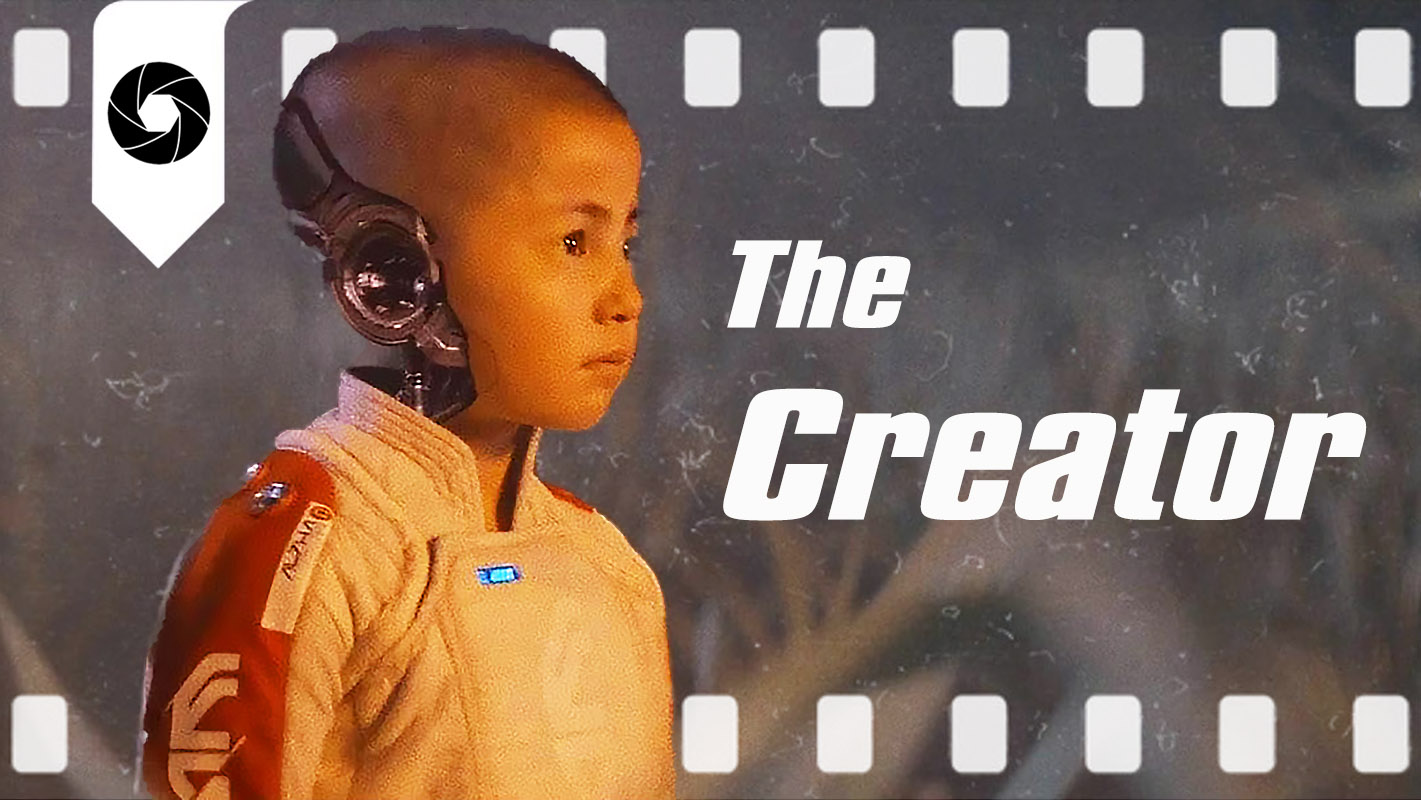
  • Limitations of Modern CGI: How ‘Creator’ Finds the Workaround in Performance Capture

    Limitations of Modern CGI: How ‘Creator’ Finds the Workaround in Performance Capture

    “The Creator” 2023 dir. Gareth Edwards

    In the ever-evolving landscape of cinema, we occasionally encounter films that challenge our perceptions and push the boundaries of what’s possible on screen. “Creator” is one such film – a fascinating spectacle that presents a curious duality between on-point visual effects and conventional storytelling. While the narrative left me wanting more, I must admit that the approach to visual effects is remarkably effective. Let’s explore both aspects of this intriguing cinematic offering.

    Stale Story Structure: Predictability in “Creator”

    The tapestry of “Creator” is woven with the thread of a very predictable story structure, adhering rigorously to the eight-sequence approach with a turning point every 15 minutes. The film’s plot-driven nature becomes evident early on, with characters relegated to mere shells navigating a well-trodden path. The lack of deviation from the expected beats leaves viewers craving innovation and depth.

    The absence of character development compounds the issue, robbing the protagonists of meaningful arcs. In a world driven by plot rather than character evolution, the emotional investment from the audience wanes, creating a disconnect that hampers the overall viewing experience.

    Formulaic Chase Sequences: A Familiar Rambo Resonance

    “Creator” introduces us to a protagonist who, unfortunately, bears a striking resemblance to the iconic Rambo archetype. The narrative unfolds with high-ranking military officials coercing the protagonist into a mission, a trope worn thin by countless iterations in cinematic history. The echoes of familiarity dilute the impact, rendering the storyline a collage of pursuits we’ve witnessed in numerous action-packed tales.

    Superficial Attempts at Depth: Antagonists and Their Shallow Backstories To its credit, “Creator” attempts to inject a modicum of depth into its characters, particularly the antagonists. The main antagonist, a grieving mother who lost her sons in the war with robots, and the poignant farewell of a marine (he presumably wants to tell his wife that he loves her), hint at an effort to humanize these figures. Yet, these attempts feel disjointed, almost forced into the narrative without seamlessly integrating with the overarching story.

    The villains’ dialogues about family are mere emotional placeholders, added to elicit empathy in specific scenes, rather than contributing to the holistic development of these characters. The film falls short of revealing the humanity behind their sinister acts, leaving these moments feeling contrived and emotionally detached.

    Balancing CGI Marvels with Narrative Innovation

    “Creator” presents a paradoxical juxtaposition of groundbreaking CGI and a narrative trapped in the conventions of its genre. While the visual effects team pushes the boundaries of what is possible in portraying robots with human-like features, the storytellers remain tethered to a formulaic approach. As we marvel at the stunning visuals, it’s a reminder that true cinematic magic arises when technological brilliance converges with innovative storytelling. In the case of “Creator,” the challenge lies in breaking free from the shackles of predictability and allowing the narrative to evolve as dynamically as the CGI it employs

    Dystopian Echoes: “District 9’s” Influence on “Creator’s” Visual Style

    The gritty texture and retro-futuristic style of “Creator” bear the unmistakable imprint of the influential “District 9.” Much like the latter, “Creator” adopts a raw and textured aesthetic that imparts a sense of realism to its futuristic world. The film’s cinematography and visual design draw inspiration from the gritty, documentary-like feel of “District 9,” infusing “Creator” with a distinctive visual language. This influence is not only visible in the overall ambiance, but also in the portrayal of a dystopian future that feels grounded and lived-in, adding an extra layer of authenticity to the film’s environment.

    Seamless Fusion: CGI and Real Actors Breathing Life into Robots

    Amidst the narrative shortcomings of “Creator,” one cannot help, but marvel at the cinematic wizardry displayed through its CGI effects. The film’s creators employ a commendable strategy, seamlessly merging CGI with real actors’ performances to breathe life into the robotic characters. Notably, the faces of these robots mirror human expressions, skillfully portrayed by talented actors. An intriguing aspect of this approach is the deliberate choice to keep the indication of their robotic nature at the back of their heads, avoiding the pitfalls of attempting to convey emotions through artificial facial expressions.

    This approach stands in stark contrast to other films that have attempted to portray humanoid robots. Take, for instance, Neill Blomkamp’s “Chappie.” While “Chappie” featured impressive CGI, the titular robot’s design was deliberately mechanical and inhuman. This choice, while visually striking, made it challenging for audiences to empathize with Chappie on a deeper emotional level.

    There’s something truly remarkable about the human face that simply cannot be replicated in terms of eliciting empathy. In “Chappie,” despite the impressive animations and the use of emoji-like faces on the robot’s screen to convey emotions, the impact falls short of what a human face can achieve. Even with advanced CGI and clever design choices, the emotional resonance of a human visage remains unmatched.

    “Creator,” on the other hand, takes the opposite approach. By preserving the human faces and expressions of the actors, the film allows the audience to connect more readily with the robotic characters. This decision taps into our innate ability to read and respond to human facial cues, creating a more immediate and powerful emotional connection. It underscores the film’s theme of the blurred lines between human and artificial intelligence, making the philosophical questions at the heart of the story more immediate and impactful.

    Navigating Limits: CGI Facial Expressions and the “Creator” Approach

    The film industry has long grappled with the challenge of reproducing realistic facial expressions using CGI technology. Despite the strides made, even the most advanced motion capture technology falls short when attempting to replicate the nuanced expressiveness of a human face. While films like “Avatar” have come close in portraying lifelike emotions, “Creator” takes a distinctive route. Instead of battling the limitations of CGI facial animation, the filmmakers ingeniously redirect the focus to preserve the authenticity of the actors’ performances. In doing so, they acknowledge the current technological constraints and carve a unique niche for “Creator” in the cinematic landscape.

    Innovation Amid Constraints: “Creator’s” Unique Cinematic Contribution

    Martin Scorsese once said this about Marvel movies:

    “Honestly, the closest I can think of them, as well made as they are, with actors doing the best they can under the circumstances, is theme parks. It isn’t the cinema of human beings trying to convey emotional, psychological experiences to another human being.”

    I agree, and I think you can describe “Creator” as one of those movies. However, you have to give credit for finding a delicate balance between visual innovation and preserving the integrity of actors’ expressions. The filmmakers astutely recognize the gap that still exists in replicating the intricacies of the human face through CGI, opting for a creative workaround. As the industry inches closer to bridging this technological divide, “Creator” stands as a testament to the ingenuity required to navigate the current limitations while pushing the boundaries of what is possible in the realm of visual effects.

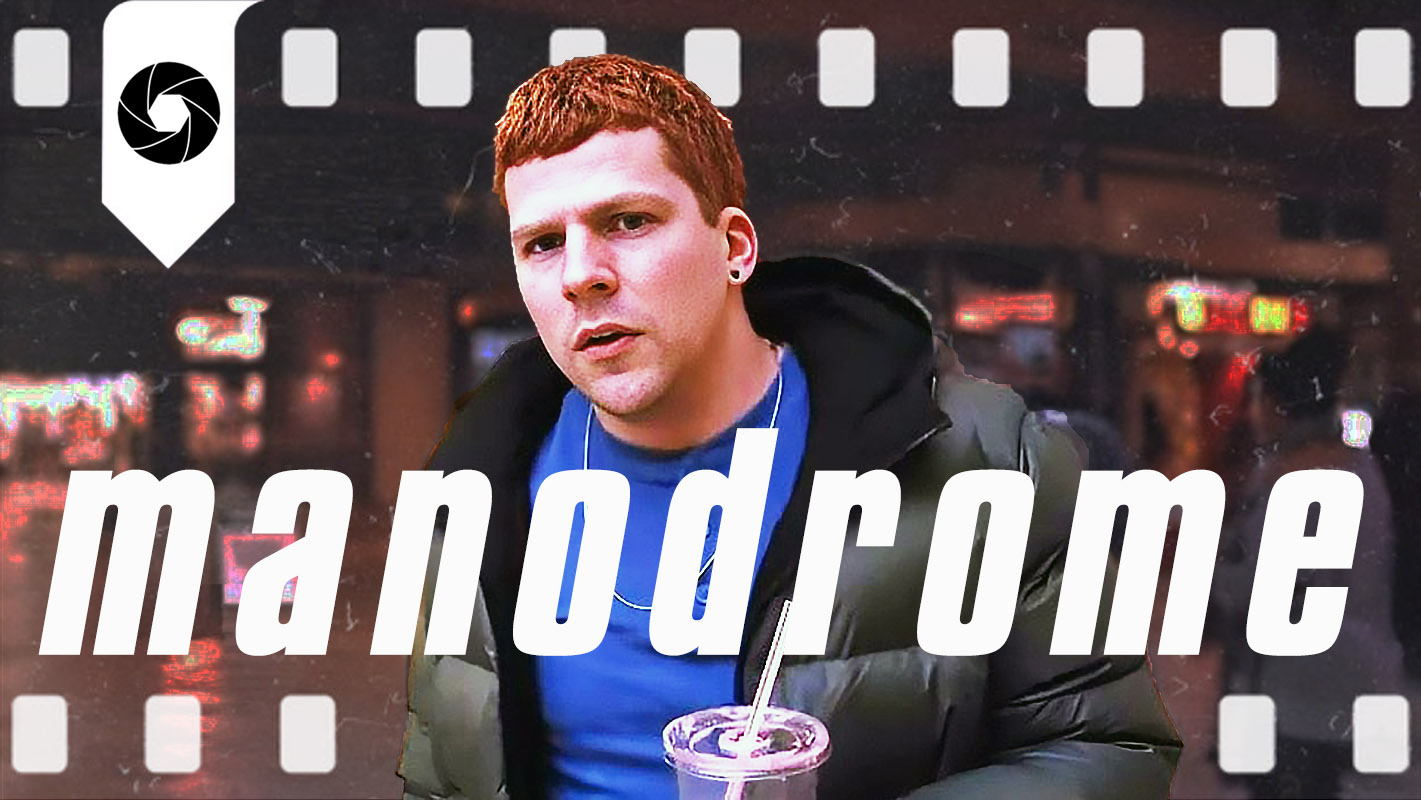
  • Manodrome: A Flawed but Fascinating Exploration of Male Desperation

    Manodrome: A Flawed but Fascinating Exploration of Male Desperation

    Jesse Eisenberg in “Manodrome” (2023)

    “Manodrome,” written and directed by John Trengove, is a harrowing and thought-provoking exploration of masculine rage, toxic ideologies, and the allure of extremism in the face of personal crisis. At the heart of the film is Ralphie, a deeply troubled man played with unsettling conviction by Jesse Eisenberg. While the film has its flaws, it remains a compelling watch due to its important themes, strong performances, and artistic ambition.

    Jesse Eisenberg’s Empathetic Portrayal

    Eisenberg’s casting as Ralphie is a masterstroke. His typically cerebral, nervy persona is at odds with Ralphie’s attempts to embody a more traditional, stoic masculinity, underlining the character’s fundamental discomfort in his own skin. Through Eisenberg’s performance, we see a man grappling with a host of internal conflicts: abandonment trauma, body image issues, repressed sexuality, and simmering anger.

    It’s clear that Trengove wants us to pity Ralphie, and Eisenberg does his best to build empathy for this lost soul. We see glimmers of humanity in Ralphie’s interactions with his newborn son and in the concern shown by his friend who initially invited him to the masculinity group. These moments suggest a potential for redemption, a hope that Ralphie might find his way back from the brink.

    The Strengths of “Manodrome”

    1. Important Topic: “Manodrome” tackles the timely and crucial subject of alienated young men falling prey to the myth of alpha male dominance. It’s a topic that demands exploration and understanding in our current cultural climate.

    2. Amazing Acting and Production Value: Despite being an independent film, “Manodrome” boasts impressive production values and a talented cast. Jesse Eisenberg delivers a committed, nuanced performance as Ralphie, bringing depth to a challenging role.

    3. Provocative Ambiguity: The film keeps the audience guessing about the main character’s inner world. While some of this ambiguity may stem from the filmmakers’ limitations, much of it feels intentional and in line with the film’s art house sensibilities.

    4. Perfect Length: At 95 minutes, “Manodrome” strikes a good balance between character complexity and running time. In an era of bloated runtimes, especially among established filmmakers, this film doesn’t overstay its welcome. As a filmmaker who has watched countless movies over the years, I’m growing weary of films that are unnecessarily long, often requiring me to watch them in multiple sittings due to their excessive length.

    The Inevitability of Descent

    However, these glimpses of hope are fleeting, overwhelmed by the relentless downward spiral of Ralphie’s journey. As he becomes more enmeshed in the toxic ideology of Adrien Brody’s Dan and his cult-like group, Ralphie’s behavior grows increasingly volatile and self-destructive. He lashes out at his pregnant girlfriend, neglects his responsibilities, and disappears into the twisted world of the “Manodrome.”

    This is where the film’s fatal flaw emerges. Despite Eisenberg’s best efforts, Ralphie’s descent feels inevitable, predetermined by the script’s uncompromising bleakness. There are no real turning points, no moments where Ralphie’s trajectory might shift. The glimpses of hope – his care for his son, his friend’s concern – are ultimately too brief and inconsequential to counterbalance the overwhelming darkness. They never make a real impact on the character’s internal process.

    A Flawed but Valuable Film

    Despite its imperfections, I believe “Manodrome” is a film worth watching and discussing. As a filmmaker myself, I’ve seen countless movies over the years, and I’ve grown weary of formulaic, “by-the-numbers” productions. I’m drawn to films that take risks and challenge the audience, even if they don’t fully succeed.

    Areas for Improvement

    1. Injecting Hope: One of the film’s main weaknesses is the unrelenting bleakness of Ralphie’s arc. While the filmmakers may have intended this, injecting some genuine hope or the possibility of redemption could have made Ralphie’s struggle more engaging and impactful. We don’t truly believe that Ralphie can stop his descent into the abyss of violence and despair. Even if the filmmakers wanted the main character to end badly and for the film to be a tragedy, it would have been much more powerful if the positive influences in his life were really meaningful and his internal struggle was more palpable. Giving Ralphie a genuine chance at redemption, even if he ultimately fails, would have added depth and nuance to his character’s journey.

    2. Underdeveloped Subplots: The script introduces several potentially interesting subplots, such as Ralphie’s friend’s concern about the cult and their distancing conversations while carrying firewood. This theme was intriguing but never fully developed, missing the opportunity to instill real doubt in Ralphie about the damage the cult could do to his life. Similarly, Ralphie’s sexual fascination with his colleague at the gym is another promising thread that never quite reaches its potential in terms of its significance to the main character. These subplots could have been powerful tools to showcase Ralphie’s internal conflict and the possibility of a different path, but they remain underutilized, ultimately feeling like missed opportunities to add complexity to Ralphie’s arc.

    3. Inconsistent Character Logic: Some of the film’s plot points, such as Ralphie’s girlfriend leaving him and their newborn child, feel insufficiently set up. The girlfriend’s decision, while intended to raise the stakes, comes across as artificial because her character was never properly established as emotionally unstable or capable of abandoning her child. In crafting a compelling narrative, it’s crucial to lay the groundwork for major character decisions and plot developments. Introducing Ralphie’s girlfriend as a potentially unstable person from the outset would have made her ultimate decision more believable and impactful. Plot points designed to raise the stakes are essential in driving the story forward, but they need to be earned through careful character development and foreshadowing. Failing to do so can undermine the authenticity of the narrative and break the audience’s immersion in the story.

    As a result, the film becomes a one-note portrait of a man’s destruction. While this may be Trengove’s intent, to unflinchingly depict the allure and consequences of toxic masculinity, the lack of any real hope or redemption robs the narrative of dramatic tension. We are left to watch passively as Ralphie spirals ever downward, with no sense that another outcome is possible.

    Echoes of “Taxi Driver” and “Fight Club”

    The comparisons to “Taxi Driver” and “Fight Club” are inevitable, given the shared themes of male alienation and the seductive power of violent ideologies. Like Travis Bickle and The Narrator, Ralphie is a man who feels disconnected from the world around him, seeking belonging and purpose in all the wrong places.

    However, where those films used voiceover narration to fully immerse us in their protagonists’ twisted worldviews, “Manodrome” keeps us at a slight remove. We are privy to Ralphie’s experience, but not his inner thoughts, which can leave the character feeling somewhat opaque. This choice robs the film of some of the unsettling complicity that makes “Taxi Driver” and “Fight Club” so powerful, as we are never forced to confront our own potential alignment with Ralphie’s perspective.

    Hidden Meaning

    This analysis would be incomplete if I didn’t try my best to pinpoint what this film is about. The hidden meaning of a film is the underlying message or theme that the filmmaker aims to convey through the story, characters, and symbolism, without explicitly stating it in the dialogue or narration. My guess is that in “Manodrome,” the filmmakers went with:

    “Unchecked toxic masculinity and the allure of extremist ideologies can lead vulnerable and lost men down a path of destruction, isolation, and violence as they seek a sense of belonging and purpose.”

    This message is never directly expressed in the film but is instead reinforced through the symbolic elements, character arcs, and the overall trajectory of the narrative.

    Now let’s try to find a shorter version of this thought that would be useful in your work on a film set. By distilling the film’s hidden meaning into this powerful, concise statement, a director can maintain a laser-like focus on the story’s central theme throughout the production process. It serves as a constant reminder of the film’s purpose and can help guide decisions regarding performance, cinematography, editing, and other aspects of the filmmaking process. As a director, having such a clear and impactful phrase in mind can be invaluable when making quick decisions on set and providing guidance to the cast and crew. This short version acts as a personal beacon, ensuring that every creative choice aligns with the film’s core message.

    Let’s go with:

    “Masculinity unchecked breeds destruction.”

    This short version of the hidden meaning is like a punch in the face – it grabs attention, provokes thought, and leaves a lasting impact, much like the film itself aims to do. It serves as a powerful and concise encapsulation of the film’s central theme.

    The word “unchecked” suggests a lack of restraint or control, while “breeds” implies a sense of growth or propagation. This combination of words highlights the insidious nature of toxic masculinity and how, if left unchallenged, it can fester and give rise to destructive behaviors and outcomes.

    The inclusion of the word “destruction” adds a layer of violence and severity to the phrase, emphasizing the dire consequences that can result from unchecked toxic masculinity. It’s a jolting reminder of the potential harm that can be inflicted on both the individual and those around them when aggressive, domineering, and emotionally stunted forms of masculinity are allowed to run rampant.

    It’s not perfect but still watch it

    In the end, “Manodrome” is a flawed but fascinating exploration of male desperation and the dark allure of extremism. It’s a film that challenges and disturbs, and in doing so, it fulfills one of the key roles of art-house cinema. For those willing to engage with its difficult themes and imperfect execution, “Manodrome” offers a thought-provoking and memorable viewing experience.

  • Why “Heat” is the Greatest Crime Film Ever Made

    Why “Heat” is the Greatest Crime Film Ever Made

    In the realm of crime cinema, some films entertain, films enlighten, and then some films etch their way into our consciousness, forever changing the way we perceive the genre. “Heat”, directed by Michael Mann and released in 1995, is one such film. It’s not just a movie, it’s a masterclass in filmmaking, a symphony of intense performances, meticulous research, and breathtaking action sequences. This film is an epic battle between two formidable opponents, each at the pinnacle of their game, each recognizing and respecting the other’s skill and determination. It’s a relentless pursuit and strategic evasion, a violent chess game unfolding on the vast stage of Los Angeles. In this article, we delve into the reasons why “Heat” stands as an unparalleled achievement in crime cinema, a film that continues to thrill and captivate audiences even decades after its release.

    1. Documentary Factor: Real-Life Inspiration

    “Heat” is more than just a work of fiction; it’s a film that draws its essence from the gritty reality of life. The central characters, Neil McCauley (Robert De Niro) and Vincent Hanna (Al Pacino) are not mere figments of imagination but are inspired by real individuals engaged in a high-stakes conflict.

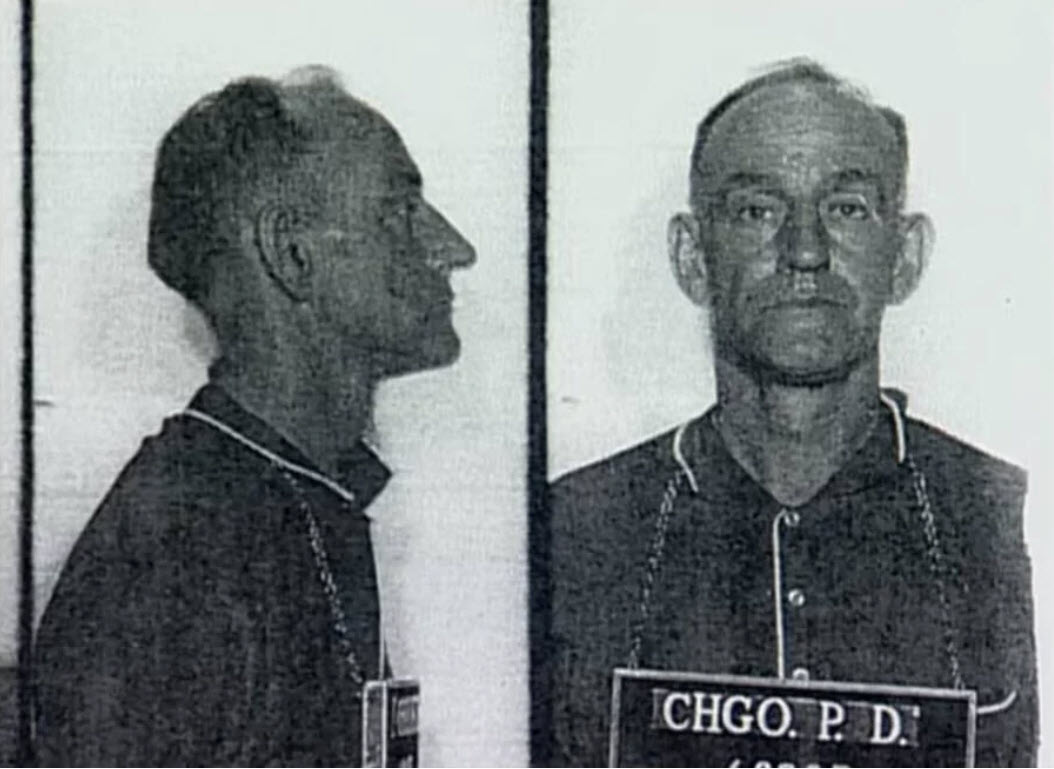
    Neil McCauley, a seasoned criminal who had spent a significant part of his life behind bars, was the mastermind behind a series of heists in Chicago in the 1960s. His life of crime culminated in a dramatic street shootout with the police, which led to his death. McCauley’s life was marked by long stints in state and federal penitentiaries, including a grueling eight-year term at Alcatraz.

    Neil McCauley’s mugshot from 1964

    On the other side of the law was Chuck Adamson, a Chicago detective who was ready to take down McCauley. Adamson had even infiltrated McCauley’s gang after a casual coffee meeting, setting the stage for a showdown. While “Heat” is not a meticulous recreation of the story of Neil and Chuck, it captures the essence of their conflict. Director Michael Mann, while changing the facts for the purpose of the narrative, was able to portray the true nature of their intense and deadly confrontation. This adherence to the spirit of the real-life narrative lends an unparalleled layer of authenticity to “Heat”, setting it apart from other crime films. But the influence of “Heat” extends beyond the realm of cinema. Some of the film’s most iconic sequences have reportedly inspired real-life crimes, including armored car robberies in South Africa, Denmark, and Columbia.

    The seamless blend of fact and fiction, the painstaking research contribute to the documentary factor that makes “Heat” a standout in the crime film genre.

    2. Cast and Characters

    “Heat” features a powerhouse cast led by Robert De Niro and Al Pacino. De Niro’s Neil McCauley is a seasoned criminal, portrayed with a quiet intensity that’s as intriguing as it is formidable. Pacino’s Vincent Hanna is a dedicated detective, brought to life with relentless energy and determination. Indeed, Pacino’s portrayal of Detective Vincent Hanna in “Heat” is multi-faceted and compelling. His interpretation of the character as someone under the influence of cocaine throughout the film provides a unique key to view his intense performance. The chance to play adversaries in a crime drama directed by Michael Mann was an opportunity that both Pacino and De Niro found irresistible.

    Initially, the script was presented to De Niro. Recognizing Pacino as the perfect fit for the role of Hanna, De Niro acted on his instinct and shared the script with Pacino. This decision set the stage for one of the most memorable performances in crime film history. The film is so immersive that you may forget that the iconic coffee shop scene is the only scene these two actors share together before the final culmination.

    “Heat” dir. Michael Mann – still frame

    3. Epic Scenes:

    “Heat” is not just a film; it’s an experience, largely due to its epic production value. The film’s action sequences are meticulously crafted, each one a testament to the scale and ambition of the project. 

    The Safe Truck Heist:

    The film opens with a high-stakes heist of an armored truck. This scene sets the tone for the rest of the film, introducing us to the professional and ruthless efficiency of Neil McCauley’s crew. The scene is intense and meticulously planned, demonstrating the crew’s skill and precision. 

    “Heat” dir. Michael Mann – still frame

    The Bank Heist Scene:

    Perhaps one of the most iconic scenes in the film is the bank heist. The crew, led by McCauley, attempts to rob a bank in broad daylight, leading to a tense standoff with the police. The scene is renowned for its masterful cinematography, with key moments of the heist accentuated by low-angle shots, emphasizing the power and dominance of the robbers. 

    The Getaway Scene:

    The getaway scene following the bank heist is equally memorable. The crew’s escape through downtown LA is a high-octane chase that keeps viewers on the edge of their seats. The production team managed to close downtown LA for the filming of this scene, a feat that speaks volumes about the scale and ambition of the project. Shutting down downtown LA for a film wouldn’t be possible today.

    “Heat” dir. Michael Mann – still frame

    4. City as one of the characters in the film

    “Heat” was filmed almost entirely on location in Los Angeles, using 95 locations in 107 days. Here are some of the notable landmarks featured in the film:

    Kate Mantilini: This was the restaurant where De Niro and Pacino famously shared their only scene together before the final culmination. Unfortunately, it closed its doors in 2014.

    “Heat” dir. Michael Mann – still frame

    El Cielito: This little Mexican restaurant is seen right before the armored truck robbery. It was located by the intersection at South Western Avenue and West Pico Boulevard, just north of the Santa Monica Freeway.

    Venice Boulevard: The first robbery, where De Niro and Val Kilmer’s crew ambush an armored truck in broad daylight, takes place on Venice Boulevard, west of Downtown.

    Trejo’s House: One of the more remarkable locations was Trejo’s pad in east LA, in the City Terrace area south of the San Bernardino Freeway.

    “Heat” dir. Michael Mann – still frame

    In an era where computer-generated imagery (CGI) is commonplace, “Heat” stands out for its commitment to realism. The decision to film on location in downtown LA adds a layer of authenticity.

    The film’s meticulous attention to detail is evident in every frame. From the choice of filming locations to the inclusion of minute details like a dead crow in a swimming pool, “Heat” showcases a level of detail that breathes life into the city of Los Angeles, making it a character in its own right.

    5. The Evolution of Michael Mann: From “Miami Vice” to “Heat”

    Masterpieces like “Heat” don’t just materialize out of thin air. The unique style and psychological depth of the characters were initially shaped in “Miami Vice” – a crime series produced in the ’80s by Michael Mann. The flamboyant style of “Miami Vice” was more playful than gritty, encapsulating the mood of the ’80s with its pastel colors, fast cars, and pulsating music.

    In “Heat”, Michael Mann introduced a more complex character with a greater emphasis on his personal life. Vincent Hanna from “Heat” grapples with the chaos in his own life, including his wife’s infidelity and his stepdaughter’s mental health issues. This complexity and depth of character can be paralleled with Sonny Crockett’s personal life, who is a widower with one child, a son named Billy, from his first marriage that ended in divorce. By comparing the narratives of these characters, it’s safe to say that Sonny Crockett from “Miami Vice” served as a precursor for Vincent Hanna.

    “Heat” dir. Michael Mann – still frame

    6. Insights from a Wealth of Production Materials

    Most importantly, “Heat” offers us an abundance of production materials, released by the studios and creators. These resources enable us to study the screenplay, examine the storyboards, and most notably, listen to Michael Mann’s commentary during the film. Available as an additional audio layer on the DVD version of the film, this commentary provides a unique window into the creator’s mind.

    Photo-storyboard by Michael Mann

    “Heat” dir. Michael Mann – still frame

    While this aspect may not directly relate to the film’s quality per se, it holds significant value for academics and film directing students. The release of these materials presents a rich opportunity for learning and understanding the intricacies of filmmaking.

    Page from the screenplay of “Heat” with Michael Mann notes- still frame

    7. Influence on Pop Culture

    The influence of the film “Heat” extends beyond cinema and into the realm of video games. The popular game “Grand Theft Auto V” (GTA V) is heavily influenced by the atmosphere of “Heat”. This influence is evident in everything from the game’s music to its mission structure, where the echoes of “Heat” are unmistakable. Even specific locations from the film, such as the house of a character named Trejo, are featured in GTA V. In a memorable mission, the character Michael demolishes “Trejo’s” house with his truck when his wife’s lover takes refuge there. This is a humorous nod to the audience, acknowledging the game’s cinematic inspiration.

    Screenshot from the game “GTA V”

    “Heat” has undeniably left an indelible mark on the genre of crime films. One notable example is the series “True Detective”. The broken personal lives and intricate character development seen in the series might not have been possible without the path paved by Michael Mann in “Heat”.

    In these ways, “Heat” has forever changed the landscape of crime films and even influenced other forms of media. Its legacy continues to be felt, demonstrating the enduring power of Mann’s masterpiece. It’s not just a film; it’s a cultural phenomenon that has shaped our understanding and expectations of what a crime film can be.

    Sources:

    1. Heat (1995) – Armored Truck Robbery Scene (1440p) – YouTube 

    2. HEAT (1995) | Truck Robbery HD – YouTube 

    3. “Heat” – Bank Robbery Scene HD – YouTube 

    4. Heat (1995) Full Bank Robbery Shootout HD Scene – YouTube 

    5. The cinematography that made one of the most iconic bank heist scene in … 

    6. Heat Getaway Scene – YouTube 

    7. Heat (1995) – Chris Shiherlis getting away doesn’t really make sense. 

    8. Heat (1995 film) – Wikipedia 

    9. The Three Heists of Michael Mann’s Heat (1995) – ptsnob.com 

    10. The Real-Life Bank Robbery That Inspired Heat – IMDb 

    11. Heat (1995) – IMDb 

    12. HEAT (1995): A Cinema Scholars Oral History 

    13. Heat | Moviepedia | Fandom 

    14. Coffe scene in the screenplay of Heat with director’s notes

    14. Heat – screenplay

  • Deciphering ‘No Country for Old Men’ through the Symbolism of Three Wind Turbines

    Deciphering ‘No Country for Old Men’ through the Symbolism of Three Wind Turbines

    The Cinematic Significance of “No Country for Old Men”

    “No Country for Old Men,” directed by the acclaimed Coen brothers, Joel and Ethan, stands as a cinematic tour de force that transcends the boundaries of genre and storytelling. Adapted from Cormac McCarthy’s novel, the film garnered critical acclaim, earning four Academy Awards, including Best Picture. Its enduring legacy lies in its masterful blend of suspense, philosophical exploration, and gripping character studies. Coen brothers knew exactly what is the film’s hidden meaning and it gave them the confidence to push the boundaries of storytelling. One of the examples of this decision is the sudden death of one of the protagonists in the middle of the story.

    In this article, I would like to focus on the first visual symbol of the hidden meaning that we see in the film.

    Symbolism in the Landscape: The Silent Sentinels

    Before the characters take the stage, the vast Texan landscape introduces us to three wind turbines, standing tall and silent. These turbines, far from being static elements, emerge as symbolic pillars, each embodying the essence of a central character—Sheriff Bell, Anton Chigurh, and Llewellyn Moss. Notably, the characters are introduced in the same order as the windmills—Sheriff Bell’s voice, the first turbine, resonates, followed by Anton Chigurh, mirrored by the second turbine. Intriguingly, Llewellyn Moss, the last character introduced in the film, aligns with the final windmill we see in the opening scene— the one with the broken rudder.

    “No Country for Old Men” dir. Joel Coen, Ethan Coen – still frame

    This symbolic triad sets the stage for a nuanced exploration of morality, chaos, and the choices that define the characters’ destinies.

    Challenging Conventions: Broken Rudder and Llewellyn Moss

    Common interpretations have often associated with this scene is that a windmill with a broken rudder is a visual metaphor for Anton Chigurh’s malevolence, yet a closer examination defies this convention. The broken rudder, in its subtle yet profound symbolism, aligns with the tumultuous journey of Llewellyn Moss. To grasp the intricacies of this revelation, one must delve deep into the hidden meanings meticulously woven by the Coen brothers into the narrative.

    “No Country for Old Men” dir. Joel Coen, Ethan Coen – still frame

    Navigating Chaos: The Film’s Philosophical Core

    “No Country for Old Men” extends beyond the traditional confines of a suspenseful thriller. At its philosophical core, the film grapples with the nature of chaos in the world and the profound choices individuals make within its unpredictable confines. The three central characters embody distinct approaches to navigating this chaos. Anton Chigurh and Sheriff Tom Bell emerge as contrasting manifestations of belief systems, while Llewellyn Moss becomes the unwitting agent of chaos as he continually veers away from his moral compass.

    “No Country for Old Men” dir. Joel Coen, Ethan Coen – still frame

    Characters as Vessels of Belief Systems

    Anton Chigurh, a nihilist who embraces the randomness of existence, epitomizes the film’s hidden meaning with his unyielding adherence to chance. Conversely, Sheriff Tom Bell’s steadfast commitment to law and order reflects a belief system that provides him with a semblance of order in a chaotic world. Llewellyn Moss, the ex-soldier driven by love and honor, becomes the intriguing anomaly, constantly breaking his own rules.

    The Unraveling of Llewellyn Moss: Breaking the Rules

    Llewellyn Moss emerges as a character whose moral compass dances on the edge of ambiguity. An ex-soldier with an honorable past and love for his girlfriend, Moss breaks his own rules for the first time by deciding to steal the ill-fated money he stumbles upon in the aftermath of a drug deal gone wrong. This pivotal decision, breaking from his own principles, sets the stage for a relentless exploration of the consequences that arise when an individual chooses to navigate their own path within the chaos of the world.

    Therefore, the broken rudder is a poignant symbol of Moss’s internal discord. Constantly teetering on the edge of morality, Moss faces a series of choices that lead him further away from the virtuous ideals of the good man he is. His decision to partake in the chaos that unfolds setts into motion a chain of events that will ultimately define his tragic fate.

    “No Country for Old Men” dir. Joel Coen, Ethan Coen – still frame

    The Consequences of Moral Ambiguity: Moss’s Turbulent Journey

    As Moss navigates the perilous terrain of deceit, greed, and survival, the broken rudder on the wind turbine mirrors the fractured state of his moral compass. Each deviation from his own principles contributes to the destabilization of his world. The Coen brothers, through this visual metaphor, invite the audience to question the nature of morality and the consequences that befall those who choose to break their own rules in a world filled with chaos.

    Chigurh and Bell: Towers of Belief Amidst Chaos

    In juxtaposition to Moss’s turbulent journey, Anton Chigurh and Sheriff Tom Bell stand as towers of belief within the chaos depicted in the film. Chigurh’s nihilistic worldview, epitomized by his adherence to the flip of a coin, aligns with the film’s hidden meaning of a world governed by blind chance. Despite the apparent malevolence in his actions, Chigurh adheres to his own code, adding a layer of irony to his role as an agent of chaos.

    Sheriff Bell, on the other hand, stands tall as a beacon of order in the tumultuous landscape. Though he grapples with a sense of being “overmatched” by the evolving evil embodied by Chigurh, Bell’s commitment to the principles of law and order remains unwavering. His decision to confront the killer, despite evident fear, serves as a testament to the power of personal conviction in the face of chaos.

    The Broken Rudder: Moss’s Tragic Arc

    Returning to Moss, the broken rudder on the wind turbine gains resonance as his journey unfolds. The narrative arc of his character becomes a tragic exploration of the consequences of moral ambiguity and the self-imposed chaos that arises when one deviates from their own principles.

    “No Country for Old Men” dir. Joel Coen, Ethan Coen – still frame

    The broken rudder on Llewellyn Moss’s turbine becomes this film’s first visual manifesto, urging the audience to contemplate the consequences of personal choices and the chaos that ensues when individuals defy their own moral codes. As we unravel the hidden meanings within this cinematic gem, we find not just a tale of suspense but a philosophical exploration of the human condition and morality.

  • Character Arcs: Walter White is Michael Corleone

    Character Arcs: Walter White is Michael Corleone

    The realm of storytelling is enriched by the presence of complex and deeply flawed characters who embark on transformative journeys. Two iconic figures, Michael Corleone from the 1972 film “The Godfather” and Walter White from the television series “Breaking Bad,” exemplify the enthralling nature of some specific types of character arcs.

    A character arc is the transformation or inner journey of a character over the course of a story. If a story has a character arc, the character begins as one sort of person and gradually transforms into a different sort of person in response to changing developments in the story.

    Although the stories of Walter and Michael differ in genre and medium, the striking similarities between narratives are remarkable. Both characters find themselves entangled in a treacherous web of criminality, and tragically, they lose their families in their pursuit to save them. This article explores the captivating parallel character arcs of Michael Corleone and Walter White:

    1. From Reluctance to Embrace: Michael Corleone, initially distancing himself from his family’s criminal activities, is drawn into the world of organized crime due to circumstances beyond his control. Similarly, Walter White, a high school chemistry teacher turned methamphetamine manufacturer, doesn’t even think about a criminal lifestyle. As circumstances worsen, both characters find themselves succumbing to the seductive power of their newfound roles.

    2. Necessity as the Catalyst: For both Michael and Walter, the catalyst for their transformation is a desperate need to protect their families. Michael’s sense of duty drives him to take charge of his family’s criminal empire and ensure their safety. Similarly, Walter, after being diagnosed with terminal cancer, turns to manufacturing and distributing drugs to secure his family’s financial future. Both characters operate under the belief that they are making sacrifices for the greater good, but their choices come with devastating consequences.

    3. Losses Incurred: While striving to protect their families, Michael and Walter experience profound losses. Michael’s ascent into power leads to the disintegration of his personal relationships, estranging him from his second wife, Kay, and alienating him from his siblings. Walter, too, faces the erosion of his family bonds as his illicit activities consume his life. His wife, Skyler, becomes increasingly distant, and his son, Walter Jr., grapples with the repercussions of his father’s choices. Ultimately, both characters sacrifice the very thing they set out to save— their families.

    4. Moral Decline: As Michael and Walter plunge deeper into the criminal underworld, their moral compasses become increasingly distorted. Michael, originally viewed as the innocent son, transforms into a ruthless and calculating mob boss, shedding his initial reservations. Walter, a once well-intentioned family man, descends into darkness, rationalizing his actions in the name of providing for his loved ones. The boundaries of right and wrong blur for both characters as they become consumed by their own power and ambitions.

    5. The Tragic Irony: The tragic irony lies in the realization that Michael and Walter’s efforts to save their families ultimately result in their undoing. Michael’s ruthless pursuit of power leads to the loss of his loved ones (the death of his wife Apollonia in a car bomb, he orders the assassination of his brother Fredo), leaving him isolated and tormented by guilt. Similarly, Walter’s choices not only destroy his family but also expose them to danger, forcing them into a life of fear and instability. In their desperate attempts to protect, they unwittingly become the agents of destruction.

    Michael Corleone and Walter White, despite belonging to different narrative mediums, share a parallel character arc that revolves around the sacrifice of their families. There is a limited number of transformations that your character can undergo. When reviewing and rewriting your script, it’s a great practice to find a character from popular culture that shares the same character arc and compare their journey. It can really speed up your process of rewriting your screenplay.

    For more info on writing great characters, visit Jump-Start to Screenwriting: Everything You Need to Know to Write Your First Script.